

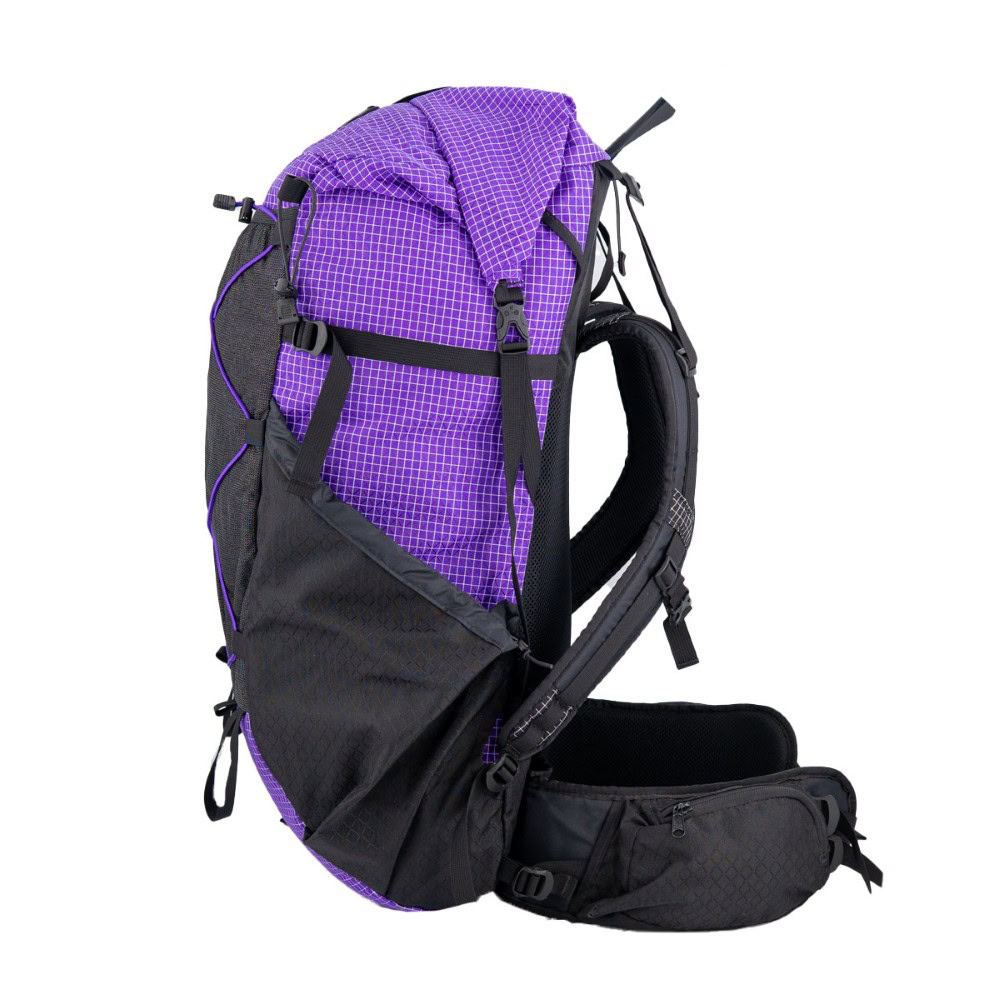
Catalyst
1. TORSO FIT
- Standing upright, tilt your chin to your chest.
- Locate your C7 Vertabra—the large lump at the base of your neck.
- With flexible tape, measure down the length and natural curvature of your spine to your iliac crest/ the top of your hipbone.
- This measurement in inches is your torso length.
TIP: If you're between 2 sizes, order the smaller size. Still not sure? Contact us.
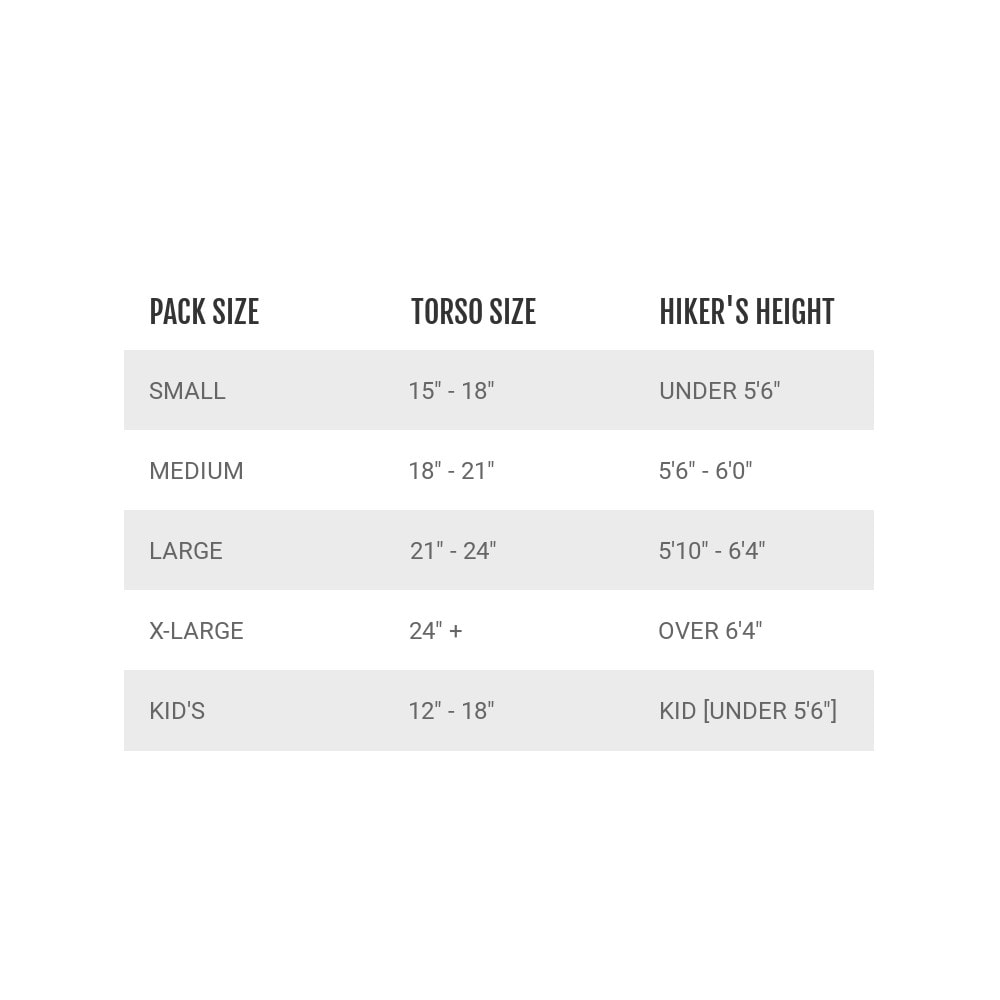
2. TORSO CHART
We've found most people in these height ranges fall into these torso/pack sizes. That being said, it is always best to measure your torso using the guide above.
If you're between sizes and you are getting a FRAMED pack, we recommend you size DOWN!
If you're between sizes and you are getting a FRAMELESS pack, we recommend you size UP!
If you have questions, or your torso size doesn’t seem to make sense for your height, please contact us.
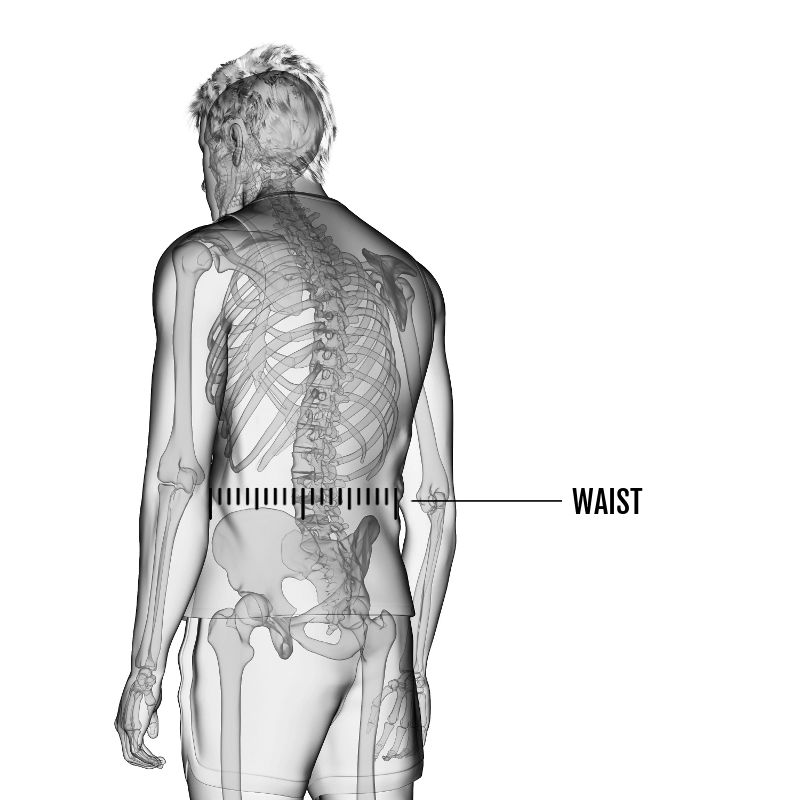
3. HIPBELT FIT
Use the following method to determine your hipbelt inches, then head to Step 4 to see the hipbelt size you need.
MEN
Pant Waist Size + 2".
WOMEN
CURVY HIPS: Smallest part of your waist + 5".
STRAIGHT HIPS: Smallest part of your waist + 3".
KIDS
Smallest Part of waist + 2".
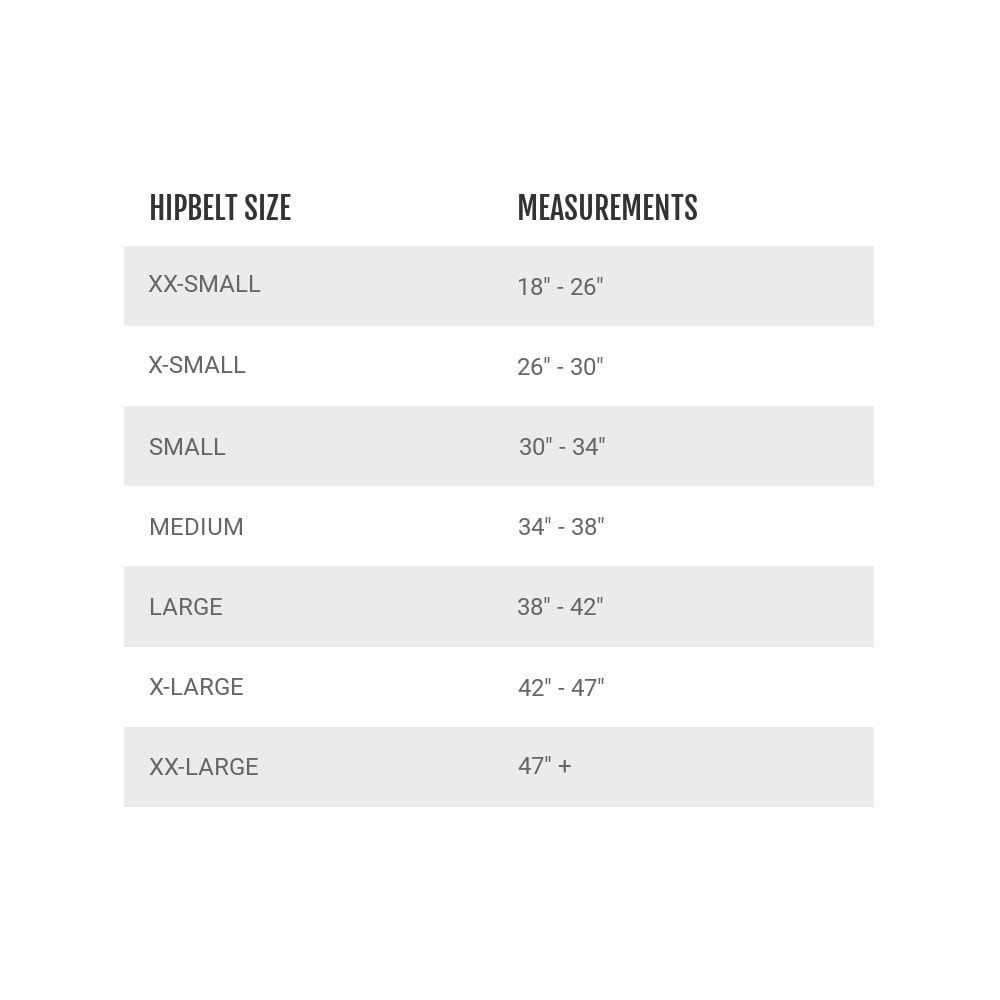
4. HIPBELT SIZE CHART
Find the hipbelt measurement you calculated in Step 3 on the chart. That will be your hipbelt size.
TIP: If you are on the outer edge of a size, order the larger size. [ Ex: If you are 38", you will notice 38" is the last number of the Medium Hipbelt and the first number of the Large Hipbelt. You would want to order a Large.]
5. SHOULDER STRAPS
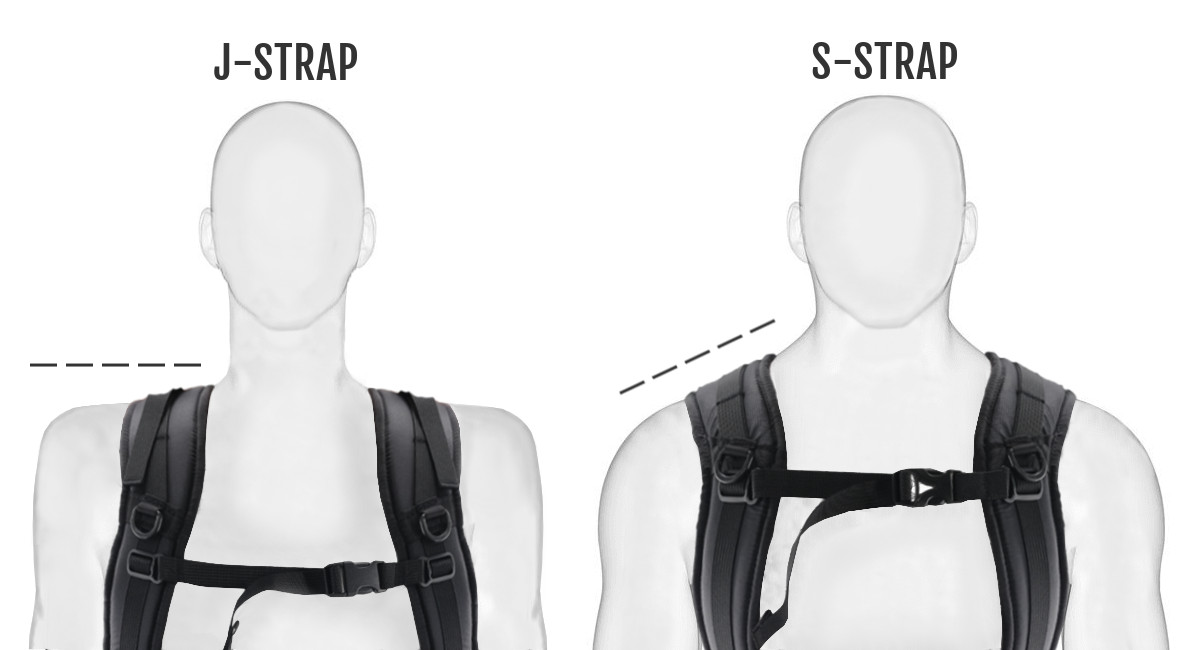
The downward slope of your shoulder profile usually determines strap preference. You can assess your shoulder slope profile by looking in a mirror or having a friend look at the angle of your shoulder from the base of your neck to your shoulder point.
If there is relatively little or no downward slope, you have what is referred to as flat or squared shoulders.
If there is a noticeable downward slope, you have what is referred to as standard or sloping shoulders.
J STRAPS
J-straps are the traditional straight straps. They are best suited for people with flat or square shoulders, as their flat shape provides better surface contact and less rub.
S STRAPS
S-straps contour body curves. They are best suited for people with standard or sloping shoulders, as their contoured shape better hugs your shoulder slope.
TIP: If you have a short torso but a larger upper body, you may need a slightly longer strap. If you are very large in the upper body, you might need XL shoulder straps. Contact us, and we would be happy to make these customizations so your pack is comfortable and fits well.
$319.99

MADE IN THE U.S.A.
FREE U.S. DELIVERY OVER $50
LIFETIME WARRANTY*
TUNE-UPS & REPAIRS*
DESCRIPTION
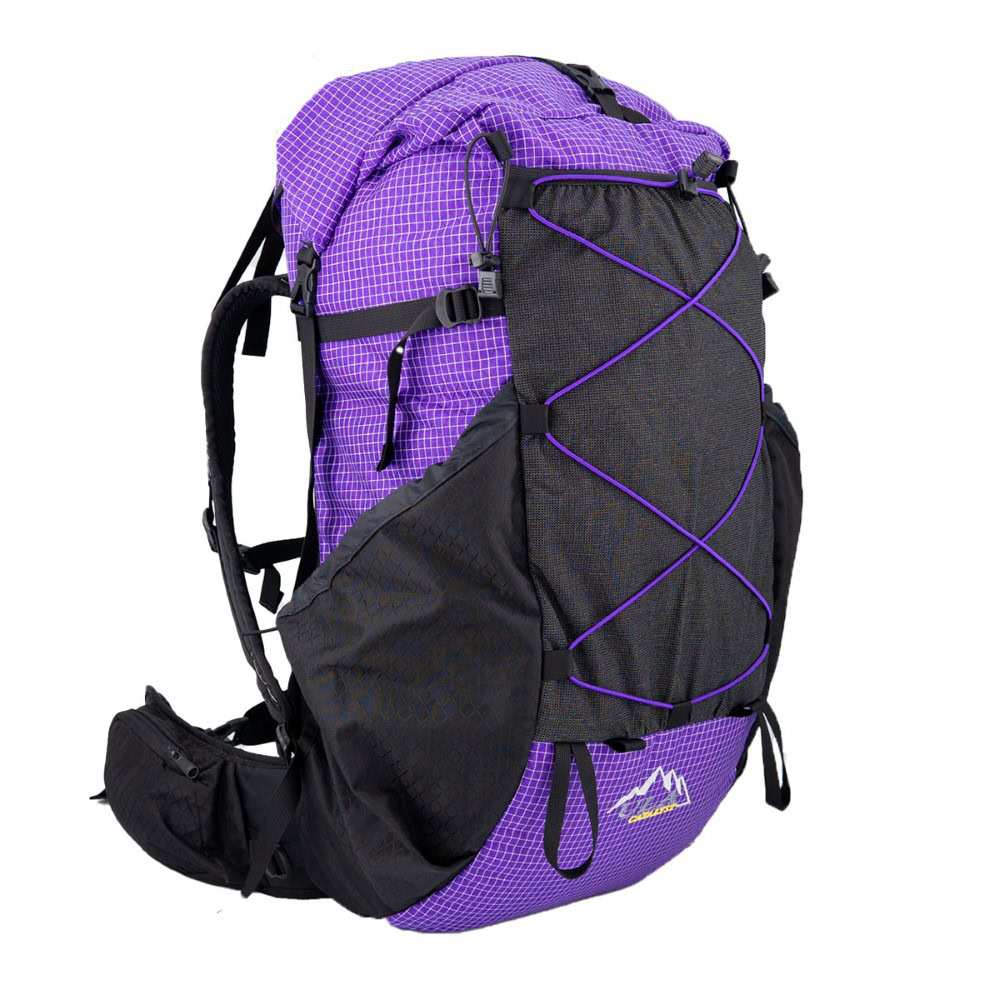
The ULA Catalyst is the tried and true workhorse of the ULA pack line. No matter where the adventure takes you, the Catalyst is there - ready to carry loads of up to 40 pounds. If you're looking for a pack that will haul a bear canister horizontally or carry your fishing, climbing, or photo gear with ease, the Catalyst is an excellent choice. Not only will it hold a good-sized load, but it can also be checked as baggage on a plane. The ULA Catalyst has consistently been among the top 5 most popular packs on the Pacific Crest and Appalachian Trails.
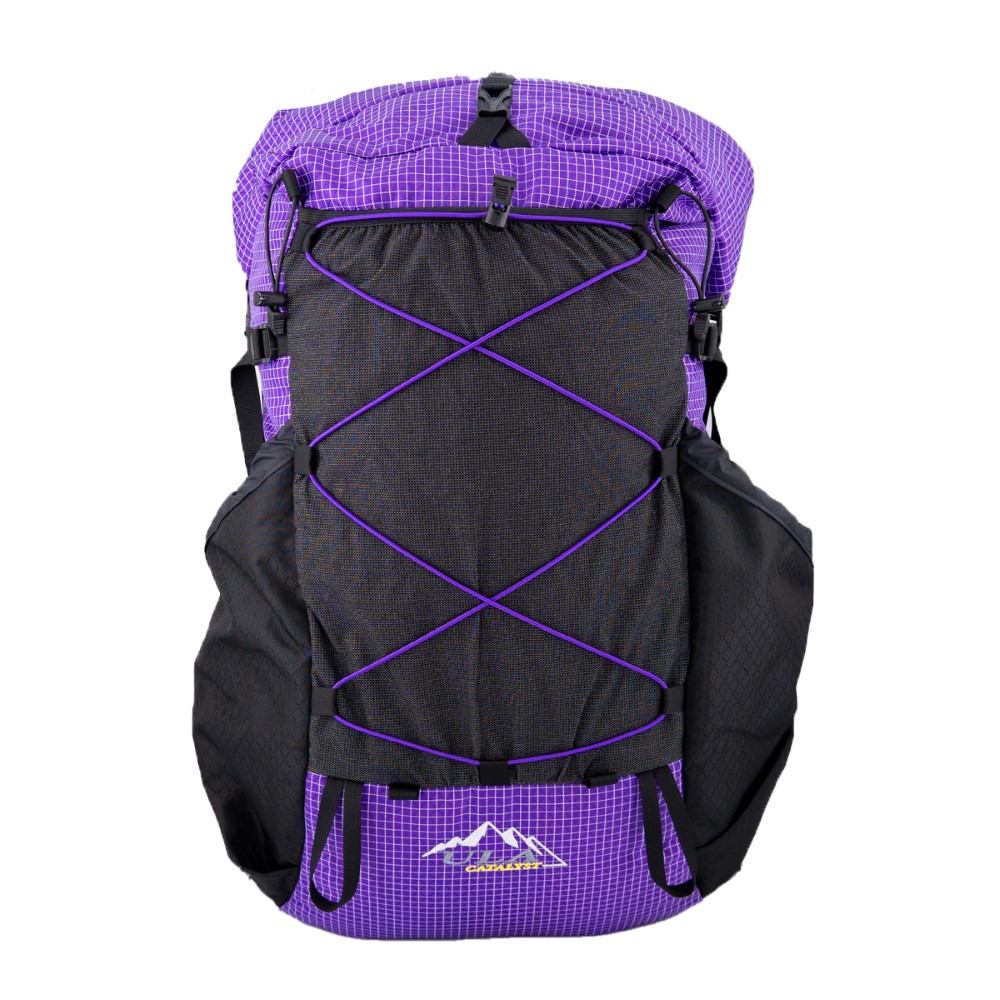
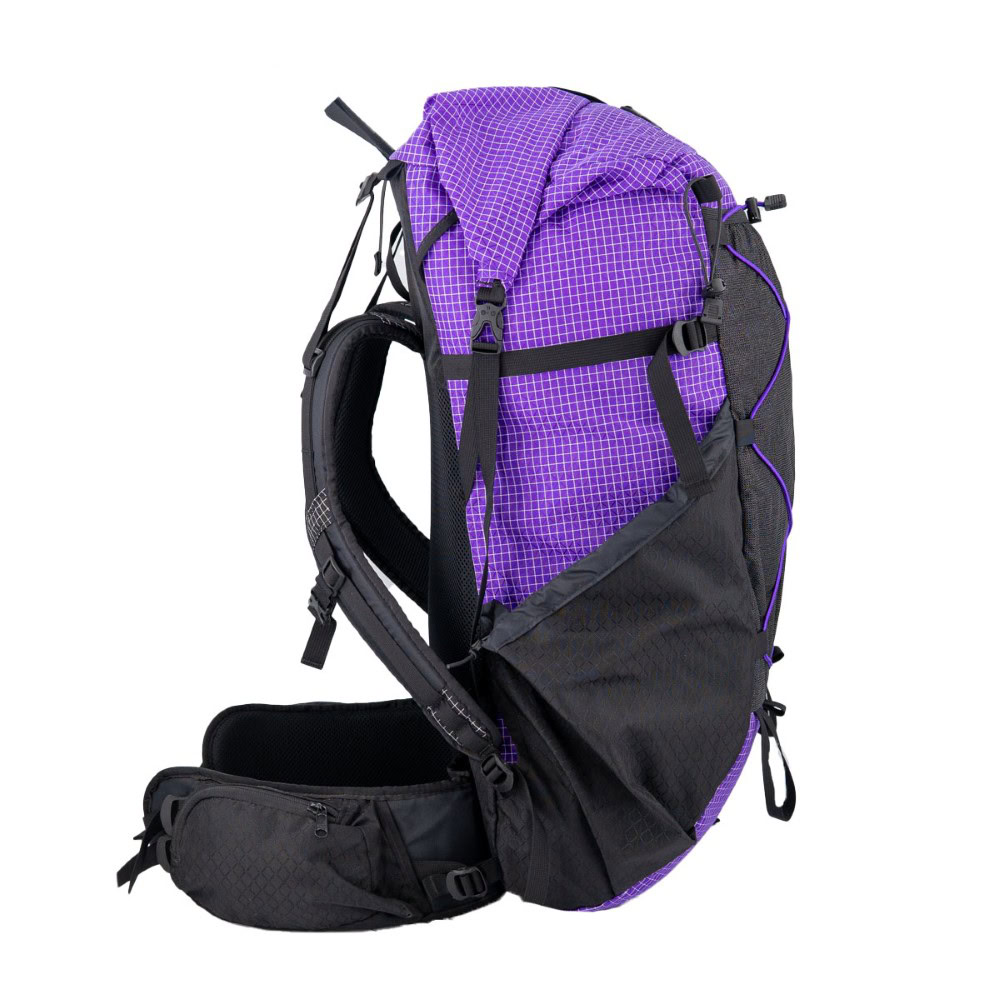
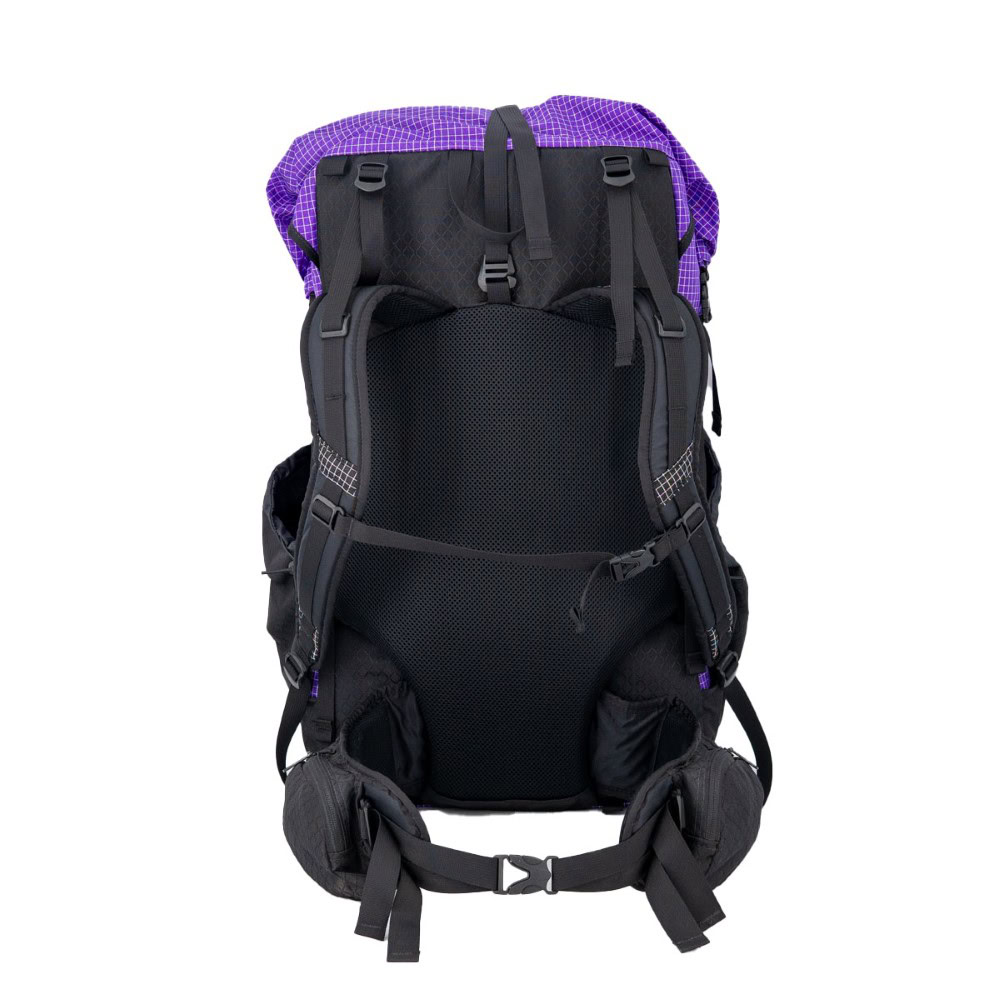
Internal frame with a twin stay framesheet, comfy padded hipbelt, and contoured shoulder straps make for all-day comfort even when you're loaded down. Front UltraStretch™ mesh pocket, dual hipbelt pockets, and Robic adjustable side pockets make it easy to stay organized whether you're on a thru or just out for the weekend.
Combination ice axe/trekking pole loops come standard; the weather is unpredictable, and we believe your pack should be able to adapt as fast as you can. Low-profile loops at the top and bottom of these packs accommodate removable top and bottom straps. Choose between a sngle top strap, or a Y-strap. Optionally, you can add an ultra-light bottom strap kit and be able to instantly add the capacity to strap larger items (tent, food storage, or sleeping pads) to the bottom of your pack as your gear needs change.
Weighing only 44.4 oz, this pack will lighten you up but still handle the toughest duties.
The Catalyst is a tough and light pack built for traditional backpackers.
AT A GLANCE
WEIGHT: 44.4 OZ | 1259 GM
VOLUME: 4,700 CU IN | 75 L
MAX LOAD: 40 LBS | 18 KG
The Catalyst remains the tried and true workhorse of the ULA pack line. No matter where the adventure takes you, the Catalyst will be there – ready to carry loads of up to 40 pounds.
FEATURES
- NEW! UltraStretch™ Mesh Front Pocket
- NEW! Ice Axe/Trekking Pole Loops
- NEW! Low Profile Loops for Removable External Straps
- NEW! Colored Bottom Panels & Shoulder Strap Inserts!
- Standard Top Strap
- Internal Frame
- Twin Stay Framesheet
- Contoured Shoulder Straps
- Front Shock Cord
- Rolltop Closure
- Side Compression Straps
- Dual Hipbelt Pockets
- Removable & Height Adjustable Pass-through Hipbelt
- Sternum Strap
- 400 Robic Bottom Panel
- 400 Robic Adjustable Side Pockets
- Hydration Port
CAPACITY
REC. MAX LOAD: SUB 40 LBS
PACK VOLUME
TOTAL VOLUME: 4,700 CI | 75 L
BREAKDOWN:
- Main Body: 2,600 CI | 42.6 L
- Front Mesh Pocket: 600 CI | 9.8 L
- Left Side Pocket: 350 CI | 5.7 L
- Right Side Pocket: 350 CI | 5.7 L
- Extension Collar: 600 CI | 9.8 L
- Left Hipbelt Pocket: 91.5 CI | 1.5 L
- Right Hipbelt Pocket: 91.5 CI | 1.5 L
FAQ’S
Q: WHAT IS THE ‘TWIN STAY’ FRAMESHEET?
Q: CAN A BEAR CANISTER FIT IN THE CATALYST?
A: Yes. Every bear canister on the market other than the Bearikade Expedition will fit into the Catalyst horizontally. Keep in mind it is best to pack something between the hard sided canister and the bottom of the pack.
To see a chart showing what bear cans fit in what ULA packs (and how), visit our blog post “Bears! Everything You Need to Know About Backpacking in Bear Country.”
Q: WHERE DO I STRAP MY SLEEPING PAD?
If you’re using an inflatable pad, we recommend storing it in the pack’s interior to avoid punctures.
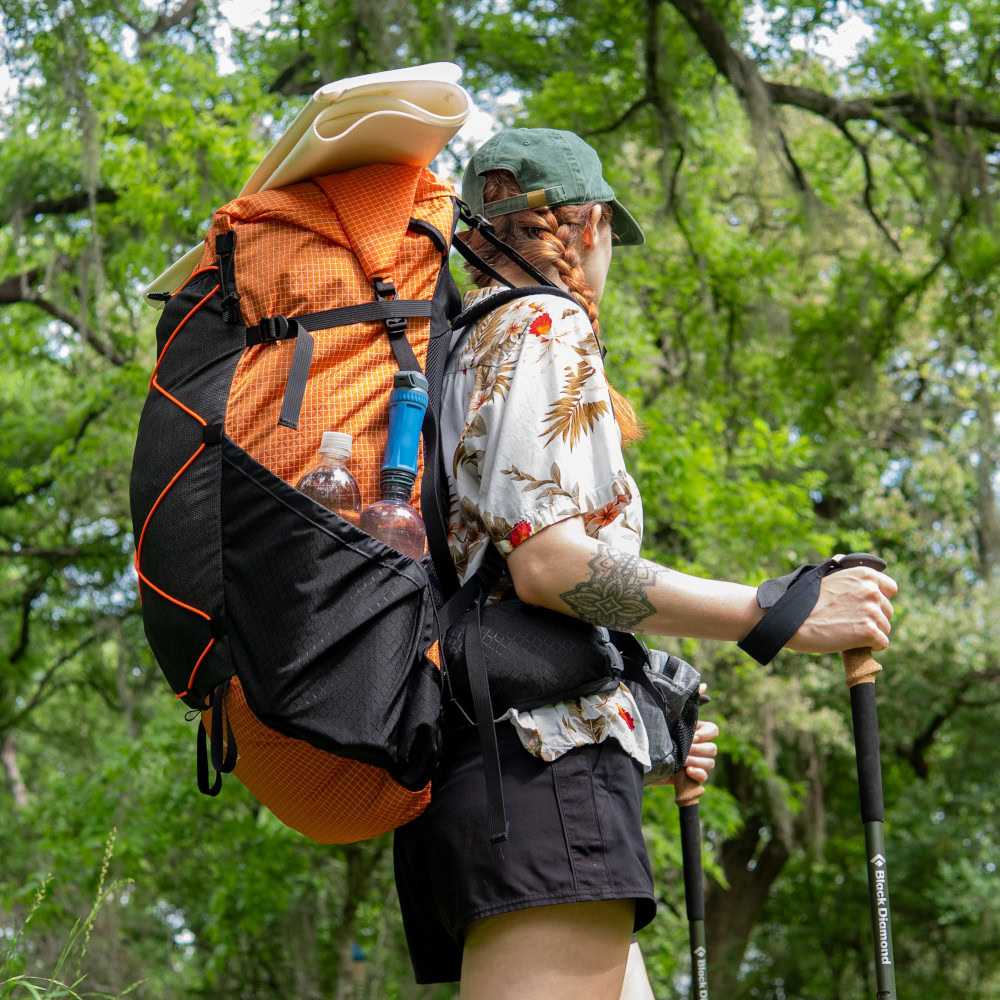
Q: CAN A WATER BOTTLE FIT IN THE SIDE POCKETS?
Q: HOW DOES THE TOP OF THE PACK STAY CLOSED?
As for access, once the collar is rolled and fastened shut, you would need to unbuckle the compression straps and unroll the collar to access the inside of the pack. However, the roll-top only needs to be rolled shut when the weather dictates. If the sky is dry, the collar can simply be folded forward. Vertical compression can still be achieved by buckling the collar to the sides of the pack.
TECHNICAL FABRICS
ULA 400 ROBIC
…the toughest standard fabric we’ve ever seen. Highly tear and abbrassion resistant, reinforced with a ripstop weave to increase tear strength and stitch holding capabilities. 100% Robic Nylon fabric with C0 PFAS free DWR coating and a three-pass PU Coating, making it highly water resistant.
ULTRASTRETCH™ MESH
UltraStretch™ is an advanced 4-way stretch mesh woven with the highest quality fibers for performance and longevity. Made from a woven blend of Nylon 6-6, Lycra®, and Ultra-PE and coated with C0 DWR.
WHAT PEOPLE ARE SAYING…
58 reviews for Catalyst
2024 IS YOUR YEAR.
ACCESSORIZE YOUR PACK
FOR EVERY ADVENTURE
Ana –
I love this pack!
On the PCT this year you see me coming and going with my custom Catalyst. Huge difference in weight (my last pack was an Osprey) this carries weight comfortably.
The side pockets are deep with shock cord locks so nothing falls out. There are loops for your ice axe
Outer Ultra stretch pocket hold my rain gear and first aid kit with so much more available space for micro spikes, food for the day etc….
The main compartment holds everything else clothes, sleeping bag, bear can, sleeping pad, tent, puffy, 3L water bladder, stove and pot fit just up to the frame. So much space left in the roll top if needed.
Hip belts are very comfortable and interchangeable (so far I’ve had to size down once but will need a smaller hip belt soon) pockets on the hip belt are spacious and easy to open and close with one hand.
The pack has been through the wringer and still looks like new with a good dusting.
This is a tried and true pack that I am sure will last a lifetime by reading all the reviews you wont be disappointed
Cat (verified owner) –
Super Comfortable Pack
I’ve had this pack for almost a year and have taken it on 100 miles of the JMT, the Trans-Catalina Trail and several 1-3 night trips. I’m not sure why this pack is so much more comfortable than the packs I tried before (REI, a couple of Ospreys) but it is. I think it could be the adjustability of everything. The hip belt is by far the most comfortable one I have used and completely solved rubbing issues I had with previous foam-based hip belts. I feel no need to try another pack at all and plan on using this one until it falls apart. My base weight is usually about 18-20 lbs with a bear can and I typically carry 1.5 liters of water am not super careful with how much food I pack. I’ve taken this bag out at 30 lbs and up to 35 lbs and it is comfortable. I hardly ever take breaks just to take off my pack now.
When I bought this I also bought one of the Durston packs to try out and returned it immediately because this one is so much more functional (especially for a woman with wider hips for the hip belt).
The only cons I’ll note are that it does creak sometimes and the side pockets are hard to get bottles in and out of by yourself for me. This isn’t a problem for me because I use a hard side hydration with a light Nalgene.
phmcpherson (verified owner) –
I just ordered my second Catalyst, which in light of all the great packs available today, is the best review I can give. My typical trip is 7 days in the Sierras with a large family group. I often carry more than my share of community gear and food, and we eat well (we are on vacation, after all), so with full bear can, water and stove fuel, typically start the week at around 40 lbs total pack weight, and sometimes a little more if water is scarce and I need a full water carry. I’ve had my first Catalyst for about 10 years and it’s handled everything I’ve thrown at it (and put into it) like a champ. Even though I load it up to it’s rated weight capacity, it’s comfortable, well balanced (when packed correctly) and there always seems to be a place for everything I need to put in it – it just works well and does what I need it to do. After a decade of abuse, including overloading with a Bearikade Expedition (carried vertically inside with the rest of my gear stuffed under, around and on top of it), some of the seams are showing their age, so it’s time for a new pack. I ordered my second Catalyst without reservation, and look forward to at least another decade on trail with it.
Tamera –
I am a hiking guide with Blue Ridge Hiking Co. in Asheville, NC. A thru hiker friend of mine recommended the ULA Catalyst pack and I am very happy with it. I need a large capacity pack to carry a first aid kit for up to 7 ppl for multiday trips and a bear canister. This pack is durable, can carry the load and is lightweight. Love the roomy hip belt pockets. Got the s curve shoulder harness. Small frame and medium hip belt. Glad I could request a pack that fits me specifically.
I had an issue with stitching coming apart on shoulder harness and.the warranty’s department was super helpful, fixed it for free and responded quickly to my communications. They returned my pack in time for my next trip.
kehoe (verified owner) –
I’ve done four hikes with this backpack. Four days in Rocky Mountain National Park, three days in the Gore Range, five days in the Wind River Range, and an overnight in the Indian Peaks. Loads were as high as 43 pounds.
On the plus side, the backpack is light, comfortable, and big enough for a seven-day hike.
On the negative side, the “dry bag” closure makes no sense. The backpack isn’t waterproof. On a rainy day everything in the backpack got wet. I then tested the backpack in my back yard with a hose and a synthetic sleeping bag inside. The backpack leaked at multiple places and there was a puddle of water at the bottom after just a minute of hosing. So why use a “dry bag” closure instead of a zipper or a drawstring?
Second, there’s no “brains.” I had to buy an Eagle Creek travel organizer (3 ounces) for the items that went in the “brains” of my previous backpack.
Third, the side pockets are big but not positioned for getting stuff out without taking off the backpack. My previous backpack (GoLite Quest 80) had angled side pockets that I could get my water bottle out of.
Brian (verified owner) –
50+ year backpacker, longtime climber. My Catalyst is a near-perfect blend of load-carrying support, reasonable features, and light weight. Customer service was absolutely superb and super prompt throughout the entire process. Very satisfied, love the pack. Thanks to the ULA crew.
Erynn (verified owner) –
I used the Catalyst on my 2022 PCT thru hike. I had only ever done two small backpacking trips before taking on the PCT, so I wasn’t too sure what I wanted in a pack…the Catalyst was everything I needed! Being new to the backpacking scene, as well as taking on such a long adventure, I overpacked, and then packed some more. The Catalyst accommodated all of my packing insecurities and wore comfortably at thirty-five pounds of weight. The number jumped to 45 pounds when I hit the Sierras…BV500 bear canister and an 8 day food supply. That weight was a little uncomfortable, but I made it none the less. By the end of the PCT I had dialed my gear and food needs down to an art form, I was carrying about 25 pounds in weight, with food and water included.
My Catalyst was a small, with a small hip belt that got traded out for a XS part way through the PCT, and S straps. I also purchased the removable inner pocket so I had a place for easy access of the small stuff I didn’t want to dig for in another stuff sack. I am 5’0″ and 124 pounds, I was 112 by the end of the PCT and the pack fit great with the change out on the hip belt.
I am now looking to dial down my bag size to better fit my needs and experience, so I am purchasing the CDT. ULA makes great bags that stand the test of time and terrain, I highly recommend them!
lauramiklos88 (verified owner) –
My favorite pack by far. I used my Catalyst on the entire AT and the entire PCT. Heading into the Sierra, I had plenty of space for my bear canister, ice axe, and extra gear. Never had to worry about durability issues. Other hikers had their pack shoulder straps ripping off by Ridgecrest etc. and I had absolutely no issues for the last 2 years and over 4,800 miles. Thanks ULA!
James K (verified owner) –
Loved this pack. Took it for the first time to glacier for a 4 day trip and it was incredible. Very comfortable and spacious, other campers loved it too. Would have like so see the Y strap and bottom straps come standard. Will be getting those add ons.
Ken Stanley –
The date was August 9, 2022 the start of my JMT hike. 240 miles, 16 days, a hike that change my life, I have never worked so hard and seen s o much beauty, with that said there is one thing that made this hike, so enjoyable. (My ULA Catalyst pack) I ordered this pack an XPAC to the color of my choice. I love this pack.I started my hike at 32 pounds and that includes a bear canister with food weighing in at 11 pounds. This pack is amazing and so comfortable. The adjustability is great, it felt like it was handmade Just for me. Over the 16 days I spoke with hikers who talked about their pack failures, uncomfortable and Hotspots. I felt so lucky, my ULA was so comfortable it was truly unbelievable, so thank you ULA for being part of what my trip so memorable.
Steve “Quicksilver” White –
Durable/Long-lived , Excellent Utility
Experience : AT, PCT, CDT, a 3.5 month south-west site-to-site road trip, a PNT thru, a good part of Ozark ZT + HT trails, dozens of multi-day outings around the U.S., and AT again from Harper’s Ferry to thru-hike the rugged Long Trail (LT). My Catalyst is 8+ years’ bought, so my observations are based on what might be an older design/material consideration (?) My Catalyst has been abused for over 12,000 hiking miles and 26 cumulative months’ outdoors time, in every clime/condition the U.S. has to offer, shy of Louisiana/Florida style swampishness.
Replaced hip-belt twice, due to waist shrinkage and the fact that hip pouch zippers need maintained more than, say, never. 1st belt is still fine for in between long-hikes – just too big, once underway. Original water bottle holders’ bungee weather-rotted somewhere around northern Colorado on CDT (7k miles + 14 months’ cumulative outdoors’ time), but para-cord using the original sliders kept it going, even to now. I use them exclusively and extensively for hydration.
After all of this : Minimal signs of wear on materials, despite various rough, admittedly disrespectful handling over the years. Nowhere is it obviously thinning. The stress on the stitching is observable in the more load-bearing areas, but it’s holding up well enough to continue using with confidence.
Reason I’m replacing it now? The lighter fabric at the outer back bungee mesh finally tore away from its stitching with the tougher material, where the clip attaches (the stitching itself is still holding strong). This probably happens when it’s getting old, sun-beaten and weather-worn … and is picked up by that strap far more than it should be (it shouldn’t at all – it has a load strap). I could probably hack-job it, but I need new gear smell and she’s done far more than I ever expected from her. Outstanding return on my investment.
Usage
I like the peace of mind that having spare volume gives me, and the Catalyst cinches in agreeably enough for lighter carries. My base weight is currently 17/18 lbs, and I tend to pack 3+ lbs of food per day’s mileage. A typical 5 day stretch rings in around 32 lbs. on my shoulders, full pack, unless extra water carry is needed. When worn & packed properly, the Catalyst fits snug and is well-balanced, which counts for a lot in certain situations (snow traverses, rough fords, rock scrambling, climbing/side-stepping cliffs). Snug – but it doesn’t breathe well on one’s back and can get hot, particularly if you run hot like I do. This isn’t exactly unique to ULA or the Catalyst, though.
Nothing aside from well-sealed or layered rubber/plastic is truly water proof, but my Catalyst still holds out upwards of an hours’ worth of downpour before signs of soak-thru, even now (and I’ve never treated the material). It’s stayed desert dry inside even in days’ of day-long spritzing (looking at you, Washington). (Still, many distance hikers line their packs with a contractor bag as back-up, Catalyst or otherwise, which also reduces long-term abrasion on the inner fabric walls)
The Catalyst itself works well for up to 5 days’ of my choice of nutrition … 6 if I don’t mind flat pastries and “extra” chips and cookies. I have hiked a handful of 8 day / 200+ mile stretches with my Catalyst, and carried food in excess of the 5/6 day range on the outside, via the bungee cordage on the back mesh and the lid strap using the grocery bags I bought it in.
Inside, I always have two food-bags, stacked side-by-side vertical atop clothing and sleeping bag, then medical/navigation/hydration extras on top. My tent is strapped into 1 outside pocket, my “quick access” held in the other (sun-screen, spare para-cord, utility blade, buffy, umbrella, etc). I typically have several lightweight “D” rings dangling from the exposed straps tucked at the hips and shoulders, for utility & paracord setups.
A BV500 bear can fits snug, horizontally, in lieu of food bags, without changing anything else about my setup.
At 40 lbs. my Catalyst definitely begins to “dig in” at the shoulders, and the hip belt starts to push past the hips (too snug, it digs into hips; not snug enough, shoulders bear it). Multiple heavy water carries in desert stretches (56 lbs heaviest) were anything but comfortable, yet still doable with the Catalyst. My own Catalyst makes “creaking” sounds at certain weight ranges, likely due to pack stays built into it and/or the way I consistently pack it, so I am roughly aware of how much I’m carrying, based upon how/where it “creaks”. I think this an interesting characteristic.
With only my tent and minimal/no food or extra water, it fits into the overhead compartments of planes/busses/trains, so I don’t need to check it.
Nicholas C. –
Amazing pack. I used it twice on 4-5 day backpacking trips in Yellowstone. And I’ve used it on multiple smaller trips. What I highly value is the comfort, quality, light weight, waterproof material, deep side and front pockets, and the easy access hip belt pockets (waterproof) and extra should strap pockets. I’ve carried 40 lbs in this pack for 75+ miles and felt this pack was exactly what I needed. Happy customer here. Looking to buy my girlfriend a pack for our trip next year.
Mav”Eric”k – 2018 AT –
I used the Catalyst on my successful 2018 thru-hike of the Appalachian Trail. I made sure the fit was right before leaving. I can tell you this pack seems like it dissappears when on my back. Everything just worked and was comfortable. The pack still looks and performs like new, even after an entire thru-hike. Out of many, it is the pack I reach for when I head out on the trail for more than 3 or 4 days. There are lighter packs, but you will likely pay for the lack of support using many of today’s ultra light packs, both financially and comfort wise.
Cornelia (verified owner) –
I asked for a custom Catalyst pack with a few extra inches in the extension collar. When the pack arrived I was disappointed that the modification was not made. I was headed out on a trip so arranged to have the pack sent back afterwards. I got a RMA promptly and was very surprised that the pack was back in about two weeks with the corrections. I can’t say enough about the great customer service. Attentive and pleasant to deal with. I love this pack!. One day I carried 52 lbs of gear and it was reasonably comfortable. I love the extra extension collar which adds at least 10L capacity. When I need to carry bulky group gear, I can still get a few rolls on the top before closing. Durability was a big factor in my purchase, lightweight was the second, it is as comfortable as any of my other packs (old Kelty, Gregory) and now ULA/
Barry Brown –
After testing another couple packs…
I hiked around 2000 miles of the PCT and another 1500 in training hikes over the past couple years and carried the Catalyst backpack the entire time…there was one issue that was never fixed – the self-loosing left shoulder strap. This caused me, upon the theft of my Catalyst in July, to expand my horizons and try the Hyperlite pack. It has two major shortcomings – one, I sweat – A LOT! The Hyperlite has no adsorbent properties where the Catalyst does. 2nd, it lacks load lifters and gives me – quite literally – a pain in the neck. The belt pockets were just a hair longer than the Catalyst, so I’m hoping ULA has been Jonesing those. I also ordered the Zpacks Arc Haul 70L pack, but failed to read that if you wore it and sweated on it and returned it, they’d charge you a 20% restock fee. Belt pockets were apparently optional. They did have the load lifters and the back separation, but the pack just seemed flimsy. So, as a tribute to ULA and Peter, your pack came up the winner! However, I am not rebuying the Catalyst this time around…I just completed my purchase of the Ultra 24 Catalyst. I’ll review that after some distance hiking. Happy Trails y’all!
JT (verified owner) –
I just got back from my inaugural trip with my new Catalyst. 6 days in the Bob Marshall Wilderness doing a mix of hiking and packrafting. I loaded this pack down with close to 50lbs, including strapping the pack raft to the top of the pack, securing it with the single top strap. It performed very well, holding all of my gear, sitting comfortable on my back, and handling some seriously shitty trails. We had a very long day (17+ miles) on one of the most overgrown trails I’ve ever been on. Throughout, the pack stayed reasonably comfy, and even though my legs and arms are full of scratches, cuts, and bee stings, my Catalyst looks pretty close to new. I’m very impressed with the performance and the durability, and am looking forward to more trips out in the woods with this pack. For those wondering, I’ve used 4 other packs over the years: a big TNF pack (80L) from ~2005: I actually liked this pack a lot, but it was big, bulky, and heavy. From there I tried an REI 45L (huge mistake), and quickly swapped to an Osprey Aether 85. The Osprey just never sit quite right, and I landed on a SixMoon Designs 65L pack for a few trips. Now, the SixMoon pack was pretty good, but it just couldn’t handle much over ~28-30lbs without starting to shrug down on itself. The Catalyst takes it like a champ. Very happy with this upgrade.
Mike Harley –
I have now taken my Catalyst on 6 annual backpacking trips in the Sierra Nevada. Our trips are typically 8-9 days, and after using Osprey, Gregory, and REI packs, I can say that none of them compare in terms of lightweight yet strong construction and comfortable fit. For peak bragging, high passes, boulder hopping, and stream crossings, I can carry 35-37 pounds in this pack and feel confident and safe whatever the challenge. My carbon fiber bear canister, equivalent to a BV-500, easily fits in this pack, along with all my gear. The material is bomb proof, it cleans up beautifully, and still looks great after all the abuse. Go light, go strong, go ULA and you’ll never go back to anything else.
Mike –
I’ve had my Catalyst since 2019. I’ve used it on two thru hikes across America. Over 6,000 miles it’s been extremely comfortable and still going strong. I’ve carried as high as about 46 lbs with it and it is still comfortable at that weight. However, you’ll find the pack to be most comfortable over long distances if you keep it below 40 lbs.
The pack is sturdy and the fabric and construction are tough. It has been through spiky desert terrain, abrasive scree in the Grand Canyon, wet snow in the Rockies, humid weather, dry weather and everything else and it has held up extremely well.
It’s not the lightest pack in its class but it’s tough and keeps on going. If I were to buy another pack, this is the one I’d buy.
Chad M (verified owner) –
This pack is incredible. Ordered and received in the same week. Took out for a Lone Star Hiking Trail Thru Hike the day after receiving. Pack weight 39 lbs and the ride was comfortable and smooth all the way through the 5 day trip. I had more than enough room to pack everything I wanted. Customer service was outstanding as mentioned many times in these reviews. You cannot go wrong with the Catalyst!
John from Austin (verified owner) –
What I love: size, load capacity, weight. I love the big hip pockets. The large main pocket just works for me — my friends tell me they need side zippers on their packs to get to the stuff on the bottom. I don’t — the combination of a wide bag and experienced packing just works. My sleep system and night clothes are on the bottom where they should be. My shelter and stove go in next, then food and emergency tools. Rain gear, toilet kit go in the outside pocket. Snacks and tools I use all the time (like sunglasses and sunscreen, and a knife) go in the hip pockets. I don’t like to stop and drop packs to snack — I eat while I walk, so having pockets where I can reach them is important.
On a 3-day trip to Big Bend, we needed to carry 26 pounds of water. My Catalyst carried it just fine. Similarly, it carried a 4-day load out including a BV500 in Olympic, and when my son was injured, I added his food to my pack and walked out. It handled a 4-day load in Colorado as well.
I took off the hand-straps, water bottle loops, and the small pocket. I use the bladder pocket, which I can say from experience holds water quite well — I was sloppy once and put in a wet bladder. Everything else stayed dry, and the bladder stayed wet.
This pack lets me carry four day loads with group gear and a bear cannister — what I used to carry in a 6 pound pack, but in a 3 pound pack. For a single overnight in the the summer I might choose a smaller pack, but whenever we are doing a real trip, I grab this one — it has the space and weight capability to comfortably handle a bigger hike. It doesn’t hurt that it’s a great color (mine is green).
Annie Miller –
Great durable pack. Stood up for thousands of miles and has thousands to go n
Leslie (verified owner) –
I needed THE pack for a thru hike of the AT next year. I knew pretty quick the catalyst was the one. I wanted a pack that would hold everything IN it and not hanging off it. I did spend some time working on options and size. (I’m right between small and medium torso.) Peter is so helpful and answered all my questions and helped me decide on size. It arrived a few weeks ago and I couldn’t be happier.
There is just complete peace with this purchase/pack. My day hikes with it so far have been very comfortable. I will update with a post hike review in the fall of next year.
arno springer –
I have used this pack (Cuben fibre version) for 7 years now on multi-week backpacking trips every summer hiking in northern Canada carrying up to 40 pounds. Very comfortable and has held up incredibly well. Excellent pack, too bad it is not made in Cuben fibre anymore as it is almost .5 pounds lighter. Great pack!
jason stevens (verified owner) –
I’ve had several premium packs throughout the years and this thing is a total jewel! Everything from the craftsmanship to the comfort level is top notch. This is surely a company that stands behind their products. I will most definitely order with ULA again in the future.
Ken Tanner –
I bought a Catalyst last spring on a good hunch, although I had never ever seen one. I kept telling my friends that I was gonna trade in my 40+ year-old pack, that I couldn’t replace any more zipper sliders, and they rolled their eyes.
I was a little nervous when I opened up the box and the Catalyst seemed so light. On my first overnighter, I never needed or wanted to take it off until I was looking at camp. We spend a lot of time year round on Olympic National Park’s rivers and the Catalyst just swallows my winter stuff…and quickly in the rain like just last weekend. It carries a many-day load well, and it sits behind my body nicely when in off-trail brush. I did add two nice leather lash squares from my beater old pack to the Catalyst top and bottom for an ice axe.
On a river trip last December, my friend told me they’d liked my new Catalyst so much that she bought one too. She had wanted to surprise me on a future trip, but couldn’t keep the secret. And she was afraid I’d think it was too matchy-matchy. But hers is green and mine is black!
Thank you for a great backpack!
Andy (verified owner) –
Super happy with the experience of buying my catalyst. I texted a few questions about customizations. Got fast friendly responses from Peter that helped me settled on the details. The pack arrived quickly in a customs not in stock color, under 2 weeks. The grey looks great! Out of the box everything looks very well designed, made and thought out. Under 1300g once I removed a few bits. I have used serval packs over the years, some too minimal to carry bigger loads, some too big & heavy. Expecting the catalyst to be just the right size for longer trips in Yosemite etc. My bear canister and everything else fits without strapping a bunch of junk on the outside. And I have a bit room to help carry stuff for fiends/family too. Excited to get it out on the trails. Thanks ULA
BFK –
Have had this pack for two and a half years. It is fantastic. Lightweight and multi adjustable. Love the spandex outer panel to stow on trail necessities like rain wear. Am a quarter the way through on my goal to hike the AT by age of 70 (I’m now 64) and foresee this pack going the whole way. Thanks ULA for a great product.
Lillers (verified owner) –
It’s really quite amazing how a well-designed pack can make a heavy load feel lighter and comfortable. I’m not a lightweight backpacker and wanted something for about 30-35 pounds. After a conversation with Chris discussing my hiking style, load size and pack carrying preferences, I opted for the Catalyst for more assured comfort thanks to the double aluminum stays and firmer frame sheet. I’m right on the cusp of a Small/Medium frame, but like carrying my pack lower on my hips so opted for the Medium. I probably could have gone either way. I did 6 days on the Superior Hiking Trail with my 75 pound Golden Retriever and no resupply. He eats a lot of food and I like a few luxury items when on trail. The Catalyst performed wonderfully. Our initial load was 32 pounds, but because of the pack design and aforementioned framing system, the weight felt like much less and carried very comfortably.
Pack Pros: Comfortable…thank you ULA for having the option of “S” straps. Yes, curvy women also backpack. The pack and hip belt straps are perfectly padded, offering comfort without bulk. Multiple adjustment points helped to dial in the perfect, back-hugging fit. There is plenty of interior room, but the roll top and multiple cinch straps allowed me to tighten the load as our food supply dwindled. LOVE hip belt pockets that can carry something other than half a protein bar. I had a day’s worth of snacks in one and my iPhoneX, chapstick, headlamp, buff and sunscreen in the other. Both had room to spare. Side pockets are also amazingly generous as is the front mesh pocket. I really could go on for days about the pack pros as there are many.
Only one con, but it may just be my body shape. I’m a woman with average sized shoulders, however I feel like the width of the shoulder straps where they are sewed onto the pack body was a bit wide for my frame. Not enough to make shouldering the pack uncomfortable, but enough to notice and requiring frequent adjustments while on trail. Perhaps an option to narrow the strap location points by a few centimeters in the future?
All that being said, I’m so pleased with the pack I plan on replacing my beloved Osprey Tempest 20 with a Photon or CDT in the very near future for all of my day hiking needs. Bravo to Chris and his team for outstanding quality and superior customer service.
David Mancuso –
Got my Catalyst in 2016 after carrying the Mountainsmith (heavy and outdated) and Granite Gear Blaze (not durable enough). No reason to look further. It fit perfect, out of the box, no adjustment needed. Like other reviews mention, the side pockets are wide and deep enough to be useful, the bladder bag is perfect, outer mesh shove-it is huge and the roll-top is a no brainer. I detest buyer’s remorse. Mission accomplished. Thanks Chris and crew
Alan Lau –
I’ve had my catalyst since 2006. It fits my Berikade expedition canister (vertically), has a large amount of space. Can’t say enough about comfort of carrying a 35 pound load, ULA service. I see others with different brands, including zpaks, osprey, etc… I don’t believe dyneema durabiity beats that of the conventional material in my pack. This pack has been on the PCT, AT, Chattooga River Trail, Foothills Trail, and AZT, so all kinds of terrain and weather. It’s kept my stuff safe and dry. Chris and his gang are fantastic. Nothing but 5 starts for service. They’e repaired some tears in my pack (those of you who have Berikade canisters pay attention to Chris’s advice about padding around the canister: the metal edges are sharp and can, with time, cut the material as well break the carbon fiber stays in the Circuit) (yes I also have a Circuit).. I still prefer the Catalyst to the Circuit on long hikes because I tend to pack my fears. So after 14 years, the shock cord in the rear pocket is loose but that’s easily fixed, the hip belt is wearing away (currently a minor issue but easily replaced) and two snap buckles have broken (also easily replaced). Totally satisfied with this pack. It will last me many more years. I really don’t believe the dyneema packs will last that long.
Stephen Ludden –
The Catalyst …..~on the PCT 2021 a great Backpack…..I will. Be on the PCT , next Year…..2021~
Marc Miller (verified owner) –
Okay here goes… I tried a number of packs and settled on the Circuit for the AT in 2014… Great summer pack for me… I live in Wisconsin and much of my hiking is done during colder seasons and between the volume challenges and frequently carrying over 20lb base weights I decided to go to the larger Catalyst… It was exactly what I needed to do… This pack carries my extras with ease! There is something though I feel seriously needs to be said… There are two aluminum stays (internal frame) inside the pack. It took some doing but with my wife’s help and some trial and error out on the trail I managed to bend them to match the contours of my back… From that point on this pack became magical! I have hiked thousands of challenging miles trying different packs and I can tell you that for me I will never use another pack after customizing the stays on the Catalyst. I am really surprised that nothing is mentioned about custom fitting the frame and believe it needs to be addressed.. Those of you who like this pack will be in heaven if you fit it to your body…
Chris McMaster (verified owner) –
Marc, you raise a good point, we do pre-bend the stays so they work for most, but not all people, and I need to get a video out showing how to do it, in the meantime if anyone has a question about bending the stays, call me 435-753 5191 Chris
Namie Bacile –
Founder and first president of ALDHA-West, quadruple triple crowner-
I enjoy four season hiking, sometimes with my dog or a friend- or both, so I like having a little extra space in my pack if needed. I don’t fear ounces 😉 I pack for pleasure and my average carry weight has been 30lbs for 30+years. I got about 8000m on my Catalyst with only a couple minor repairs needed last year- which is when I found the customer service at ULA was also 5 stars. Comfort and durability is what I look for in a pack and the Catalyst is simply the best pack I’ve ever used.
Chuck Bruffey –
The ULA Catalyst pack is the perfect compromise between the tissue sheet packs and the 6lb full loaders. At 3 lbs, I can get all I need in this pack including a bear can for my typical 7-10 day Sierra trips. Over the three years I have had this pack, it has held up very well with no issues and I am hard on gear! My plan was to get my first day weight under 35 lbs (including scotch) and the ULA pack has helped me meet that goal. This is my fourth backpacking pack from three separate manufacturers so I have some pack experience!
Highly recommend.
Christa Dierksen –
Love it!!
Sandy –
Bought my Catalyst in July 2011, along with a bunch of other gear that took my son (he bought a Circuit) and me from 52 lbs for 8 days to 32 lbs. Most comfortable and best designed pack I have owned in 60+ years of backpacking. Have carried 45 pounds easily with pack raft, paddle, and PFD. Pack is still in great shape and on track to last as long as I am likely to. I recently compared it to other manufacturers’ packs while deciding what to get for my daughter – Catalyst came out clearly on top.
Tony –
I had been using a osprey aether for about a year until i borrowed a catalyst from a friend for 2 weeks and was instantly in love with the comfort and style of the pack. Not only was it super comfortable but it was over 2lbs(1 kg) lighter than my osprey which is unreal! I decided to order my own semi-custom version and asked advice from Chris from the website. Not only was the response swift and polite it was also very indepth which helped me decide exactly what i needed. I had a deadline to get it ordered in time due to starting the PCT and being from Europe i didn’t have a clue how to use the postal service over here. When i mentioned my deadline the only response from Chris was: We will get it done! As a customer i honestly could not ask for anything more from this company as they really are all-in for the client and professional through and through. The only final thing i call say is thank you, you guys are amazing!
Citizen Z (verified owner) –
i have taken this out on a couple overnights doing 8 miles out and then back. i have carried around 30 lbs including food and water and have found this to be an extremely comfortable pack. I even took it on a 12 mile hike on the highest parts of the Pinhoti trail and it performed flawlessly. I am really impressed. My reasons for buying this was to train for an upcoming Applachian Trail thru hike. I still dont have my gear tuned the way i want but this pack is definitely the one for the colder months when more gear is required.. I sort of wish the side pockets were a little taller, but my crocs have not fallen out anyway. Just me. Great pack
Pony –
After 3,000+ miles of hiking, including thru-hikes of the Colorado and Appalachian trails, I still love my Catalyst.
In all honesty, if I were buying a pack today, I’d go with the Circuit, which is essentially the same pack, but a bit smaller. But the Catalyst/Circuit are designed so smartly, and are so tough, that either one is a great choice, IMO.
I’m a big fan of the hip pockets as well as the side pockets, which allow me to reach essentials easily without even stopping (snacks, water bottle, chapstick, Aqua Mira drops, what have you). I strap my REI Z-lite pad to the back of the pack, like a turtle shell, and I use the back mesh pocket for my garbage bag and occasional other items.
It’s held up extremely well, though I did have to have a pal sew/reinforce one shoulder strap while on the AT.
Yes, the Catalyst is bigger than what I need now. But it has been perfect otherwise, and after all, I don’t have to fill it up. One day, when it gets retired, I’ll get a Circuit…. but I bet that’s still a long time off.
banneler55 (verified owner) –
I am a bigger guy getting back into backpacking. I spent several hours at REI trying on the limited selection of packs that would fit me. I left discouraged and gave Chris a call. I took the ULA Catalyst out on the trail this weekend. Just a short 4 mile trip. But I have to say, it was like I wasn’t carrying anything. I have had packs since I was a kid in Scouts and never had one that carried like my catalyst. The quality was apparent from the moment I opened the box. But the best part was certainly the fit and carry. I followed the instructions in the video and got a very comfortable position for all the straps. The pack hugged my back and I found myself using the hand loops for quite a bit of the trail.
All in all, I am so pleased I gave Chris a call and he designed this pack to fit my needs. The pack surpassed my expectations!
Joe –
Wow this is amazing! I can carry everything I need for a weekend of winter rocky mountain backpacking comfortably. It easily fits all my bulky gear like a 0° bag, puffy coat, tent, bear can, etc . This pack blends ultralight and durability perfectly.
Tom Throop –
I agree with everything everyone has said. Best pack ever. Just used for the first time, and the Catalyst functioned perfectly. Very thoughtful design and extra innovations. I am 71 and want to keep up my active wilderness lifestyle. So, I am going ultralight. This is the perfect pack for that purpose. Who ever thought one could get a fully functioning 4200 cu. in. pack weighing 3 pounds. Crazy good. Try Klymit for a pad.
Jake – Suds AT ’12 –
Best pack ever. Got this from Mountain Crossings, GA the day before my Appalachian Trail thru hike in 2012. Never regretted it and has been used very regularly for 6 years.
I’ve done quite a few trails with this absolute warrior comfortable beast of a pack – Appalachian Trail ’12, the Via Francigena in Tuscany ’14, John Muir Trail ’15, Oregon Coast Trail and Timberline Trail 2016, a week on trails in Gran Canaria as well as tens of transatlantic flights and mini holidays living out of it (so much space, but can also be tightened up to a small pack with straps).
After approx. 3000 miles with typically around 25-35lb pack weight the padding in the back is still in near perfect condition, as comfortable as the day I bought it, all buckles work perfectly still, never once opened on dozens of flights. Only very superficial damage endured so far in its life.
I’m now getting a Circuit because I’d like something shiny and new and custom for the PCT next year, however, I think my Catalyst would manage it to be honest.
Thanks Ula!
Peter Lynch (verified owner) –
Just did an acclimation hike with my new Catalyst. I am recovering from a head injury in June that has shortened my backpacking season considerably, and wanted to try a conditioning hike that would also be my first chance to try out my new pack. I followed Chris’s advice and had the pack reasonably full and lighter then it would be for a backpacking trip. With my down jacket loosely arrayed at the bottom of the pack I found it very easy to stabilize my Bear Vault 550 with a sleeping bag liner on one side and an air pad on the other. I felt no slippage during the hike. I had to adjust the shoulder straps and the hip belt a bit, but having made those adjustments it felt very snug and stable. The water bladder pocket works beautifully, I discovered that a strap loop on the left shoulder strap keeps my bladder tube in place nicely, and I was amazed by the amount of stuff that I can get into the hip that old pockets, far more than my old Dueter pack. The shoulder straps stay firmly in place allowing one to do a proper chicken wing move in putting the pack on. Everything has been thought through carefully and some problems solved rather ingeniously on this pack. I find that I can run the strap that closes the pack when rolled down through the lid loop of my water bottles, keeping them securely in place for those trips when I will bring them. At the same time, I can imagine other uses for those capacious side pockets. What a joy to have a pack so easy to use, so backpacker friendly, and so lightweight and well-designed.
Zach –
BY FAR the best pack I’ve ever owned! Most comfortable, best options, incredible craftsmanship, and best customer service are only a few reasons this pack gets my 5 stars. I’m quite a bit bigger guy so I emailed Chris about the fit and after a slew of concerned emails from me, Chris helped me put together the perfect order! He was incredibly helpful! They even got it to me quickly for an upcoming trip! I’ve only put about 30 Miles on it so far but it is insanely well put together and will be the pack that goes with me on the JMT! Thanks ULA!
Lou –
This pack is phenomenal. I bought it when my 20+ year old external frame Jansport died. It is lightweight, durable, customizable (I took out the hydration sleeve and extra shoulder strap lifters). The first trip I took it on was a 7 day Appalachian atrail section hike through the Shenandoah State Park. It exceeded my expectations. I had no soreness on my hips or shoulders the entire trip. It was so comfortable it was like I was naked. I highly recommend this bag. I doubt I will have to buy another bag, but if I do I will purchase from ULA.
Greg S Wheat –
I have the CDT which is my day pack and the Catalyst which is my pack of choice for multi day backpacking. Lots of room and easy to load. Many great features and I added a shoulder strap pocket to both packs to place what ever gear I need for that trip like my cell phone for easy access to take pictures. I have a pack from another company that is suppose to be a 90L pack but is feels like I can not get as much gear in it as I can my Catalyst. My only problem is that I can not reach the water bottles in the side pockets as easily as the guy in the video…must be old age and I am not as limber as I use to be. Still a great pack and I highly recommend it.
Wilderness Trecker (verified owner) –
My wife and I where fortunate enough to have had the opportunity to visit the shop and staff at ULA!!! What a great experience, Chris took us back and watch the magic taking place with the great staff! The feeling of pride in the ladies stitching as well as the guys while cutting the fabrics and inspecting the products was heavy in the air! Looking over some of the different models of packs the quality in craftsmanship and attention to detail was extremely difficult to miss! 🙂 We brought with us our packs we had been using with a full load out as if headed out on the trail. In my excitement I had a pack explosion and a Catalyst loaded up before Chris had brought a hip belt! We got the hip belt positioned and my wife had her pack loaded while I admired this work of art! The design shape every little stitch was immaculate! After taking a few minutes making sure he had our packs fitted properly as well as making sure we knew how to tighten and adjust straps.
They sent us out the back door with packs on our backs loaded up. It wasn’t long before we noticed a huge difference in the comfort, mobility and just over all feel of these packs. As a couple we both have had many different packs over the years. The most recent being the Rei Flash 62. The change in our backpacking style has gone from shorter weekend to week long trips. Where as now we are doing week or multiple week long distance hikes, ten miles a day or more each day. Where before it was four to five miles in hang out for a day or two then hike another three to five miles then repeat the process getting out. I can’t help to not mention my wife’s comment, ” why didn’t we have these packs years ago! ” We didn’t know about ULA before six months ago.
After our test run Chris was showing us the 210 Robic material. I was familiar with dynima but this 210 Robic is really robust and actually a bit more heavy duty then dynima or cuben fiber. Chris cut a piece of material with scissors and handing it to me told me to try to tear it. I honestly gave in all my might to try to get this stuff to tear and I could not budge it in the least bit! Not only is this 210 Robic strong but extremely light! I have to say better than cuben fiber due to the extra rip stop reinforcement in this material. These packs are going to be tough unlike other ultralight packs I have seen on the market. The other thing I noticed when comparing ultra light packs is ULA is the only company to offer larger volume packs. I highly recommend a ULA Catalyst or Circuit for those looking at going lighter. It will give you that extra space while you get your weight and gear dialed down.
If you are like us a year or two ago and you are looking to go lighter just get a ULA you cannot and will not go wrong this pack will last you thousands of miles whether through hiking or if your old school like us just trying to update gear and shed some weight. We used to lug around 50-60 lbs. Of gear food and water and now have our pack weight down to about 30lbs. Including fuel, food and two liters of water.
The difference is in a ULA when we got home I went on a hike around the neighborhood and I kept telling myself what happened to that ten pounds? What am I missing what did I forget I have to be missing something? I wasn’t missing anything I had all of my gear it was all in just the way this pack carries and feels. Just a mental note just cause you still have space in your pack does not mean you have to add anything!
Barry Wohl –
My favorite pack of the last 60 years.
I’ve been backpacking since 1957, and I’ve owned: Kelty A4 external frame, Gregory Wind River, Monolite, Ospray, Kelty Cloud 65, AND MANY MORE. For 15 to 35 lb, my Catalyst feels the best on my back. I’ve used it on about 20 trips from 2 to 8 nights over the last four hiking seasons. I’m no longer looking for anything better. Along the way, my other equipment has gotten lighter and smaller, so I have extra space in my Catalyst. AND I got to upgrade my waist belt to one size smaller as I shrunk too. Happy days
Todd from Longmont CO –
JMT Thru-Hike
I was fortunate enough to snag one of these packs when it was offered in Cuben Fiber. What an awesome pack! It easily and comfortably handled my JMT thru-hike last summer, including carrying my Bearikade Weekender. Very comfortable, and tough. Highly recommend.
Mark Weidinger –
Excellent Pack!
Excellent, high value pack at a good price. Coming from running 55+ lb loads in my faithful Dana Alpine, I was concerned about the suspension system and load comfort, but it worked fantastically on 7 day Sierra trip starting with 42 total lbs. and dropping as food and fuel (and bourbon) was depleted. Seems like this packs sweet spot is about 25-30lbs.
Everything about this pack has been so well thought out, from how it packs and rides, the storage options, and accessing your gear. Its also a sweet looking pack with more volume than I will likely ever need. I got the large with large belt and regular straps, run a Zpacks Cuben dry bag as a liner (2oz), dropped the hand straps and bladder pocket. Fyi I’m 56yrs, 6ft, 215lbs with longer torso.
After 40 years of backpacking I’m finally lightening up, and can’t endorse this pack and ULA gear enough. Thanks ULA!
Axel W –
Versatile and Comfortable Pack
I have used the pack for a number of different trips, but recently took the pack on a 7 mile hike with 2300 vertical feet with a full 40 lbs of gear (well, probably 45 lbs) with a 500 ft climb over 200 yards in the middle and a corresponding climb back down the next day. The Catalyst worked great even with a full load +! The hip belt kept the weight off of my shoulders, which allowed me to climb over and under logs, grab roots on the way up, and keep my balance on the way down. Thanks ULA for making a great pack that works with 40 pounds or 20 pounds of gear! PNW fan!
David Marshall –
First trip, pack worked great
I finally took the break in trip with my new Catalyst. The trip was not long, but gained 2400 ft in 4 miles with the end result being beautiful Maxwell lake in the Eagle Cap Wilderness.
The pack performed very well with a trail weight of 28 pounds. In the past, I’ve had to tinker with my packs to dial them in over multiple trips. After following the YouTube set up and fitting videos, the pack fit and worked like a charm.
While I’ll keep chipping away my pack’s trail weight, the Catalyst is flexible enough to go both lighter and a bit heavier for early summer Cascade volcano climbs.
The Catalyst is a great combination of light weight and versatility.
Anonymous –
Still backpacking at 60 years old
I was hesitant to buy this pack for two reasons. One I couldn’t try it and second it didn’t have all the pockets of other packs. After 7 days out- I can say I love this pack. The customer service was excellent. But most importantly it carried weight fantastically. The lack of pockets did not bother me. When I was in my 20’s and 30’s I could hike 12-14 miles with a 55 pound pack. In my 40’s and 50’s it became a 40-45 pound pack. Now at 60. I am comfortable hiking 14 miles a day with a 33 pound back . Looking forward to going lighter but for now- The Catalyst carries my load. I choose the catalyst over other styles because I do hike internationally and need to put my pack on a plane.
Brian –
Great Overall Pack
I have had the opportunity to use this pack a handful of times in the past few months since I purchased it. I love it. I did my homework on several packs and settled on this one. The primary reason I purchased was for thru-hiking and other types of backpacking in outdoor areas. I was also looking for a pack that would translate well to other types of urban backpacking and international travel and it has done all I have wanted and more. It is very comfortable, versatile and has a great balance of lightweight and durability that I wanted. I know I will have this pack for a long time I highly recommend the catalyst.
Stephen Stone –
Catalyst trial
My old pack finally gave out and I needed a new one for a 6 day trip to Yosemite in September. The pack came on Friday and on Saturday I took it on a two day 20 mile trip. I carried my gear plus my 8 year old daughters gear. It put the load on my hips better than my old one, weighs half as much and withstood some bushwacking without any tears. I am very pleased with the pack.
Peter –
Great pack, great service!
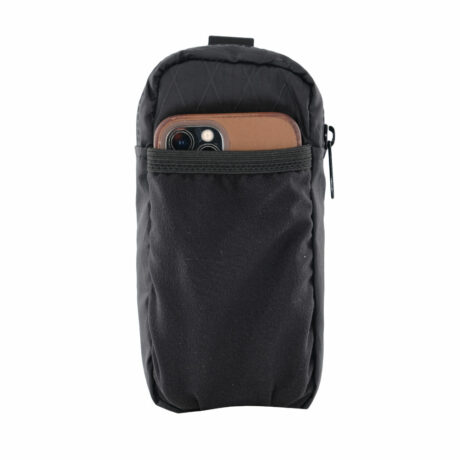
As a owner of the excellent circuit pack, the catalyst is essentially the big brother of the two and is great if your going on longer outings or winter hiking. In addition to the pack, I also ordered the new shoulder strap pockets which I highly recommend! Just write which color you prefer in the comments and they can match your ULA pack color. The pocket is perfect for a smart phone and other items you need to gain quick access to. Also I’d like to note the excellent customer service I received. I originally received a smaller hydration sleeve with my pack that didn’t fit my hydration bladder. After contacting ULA they sent me a bigger, wider hydration sleeve free of charge!
laure manheimer –
light, capacious, comfortable and easy to pack
I am 120 lbs and 5 feet 5 going for a week backpacking trip at 10-12,000 feet in the Sierra Nevada. to replace my old backpack, . i chose a Calayst, size small, S curve. . And it is all it promised to deliver and more. It is light,simple to pack. the main compartment is wide enough to accommodate a sleeping bag without spending 10 mns compressing it into a tiny roll (as in the Osprey). it is wide enough to easily insert a bear canister horizontally + all my clothing
gear to stay dry and warm + everything else i would need during the day all fit on outside pockets easily reachable without opening the main compartment. Two capacious hipbelt pockets keep all the immediate stuff within easy reach without removing backpack. On an outside loop i put my tent and my sleeping pad. it was all so easy to pack. And it is COMFORTABLE.
Everything – excluding water in my camel back and the canister full of food- weighed 19 lbs! it was just perfect. and the staff is VERY helpful.