 PROUDLY DESIGNED, CUT & SEWN IN UTAH.

Trail First Aid: How to Treat Common Injuries on a Thru-Hike
When you’re out in the backcountry, far from town or trail support, knowing how to treat common hiking injuries isn’t just a good idea, it’s essential! On a long trail, small issues can turn into trip-ending problems if left unchecked. A blister that starts as a mild irritation can quickly become infected, and a sore knee can spiral into something that makes every mile a grind.
Whether you’re thru-hiking the PCT, CDT, or AT, or even just on an out and back with considerable miles between you and the car, your ability to manage minor injuries can make the difference. Understanding basic trail treatment helps to build confidence and self-reliance. To really take it to the next level we recommend taking a Wilderness First Aid course.
Out there, your pack doubles as your first-aid kit, and creativity often matters as much as preparation. Knowing how to improvise with tape, trekking poles, or even a bandana can keep you moving safely until you reach a town or zero day.
In this one, we’ll break down the most common injuries hikers of all kinds face, from blisters and overuse pain to dehydration and heat exhaustion, and how to treat them with the gear you already carry.
The most important part of any trip is returning home safe and in one piece!
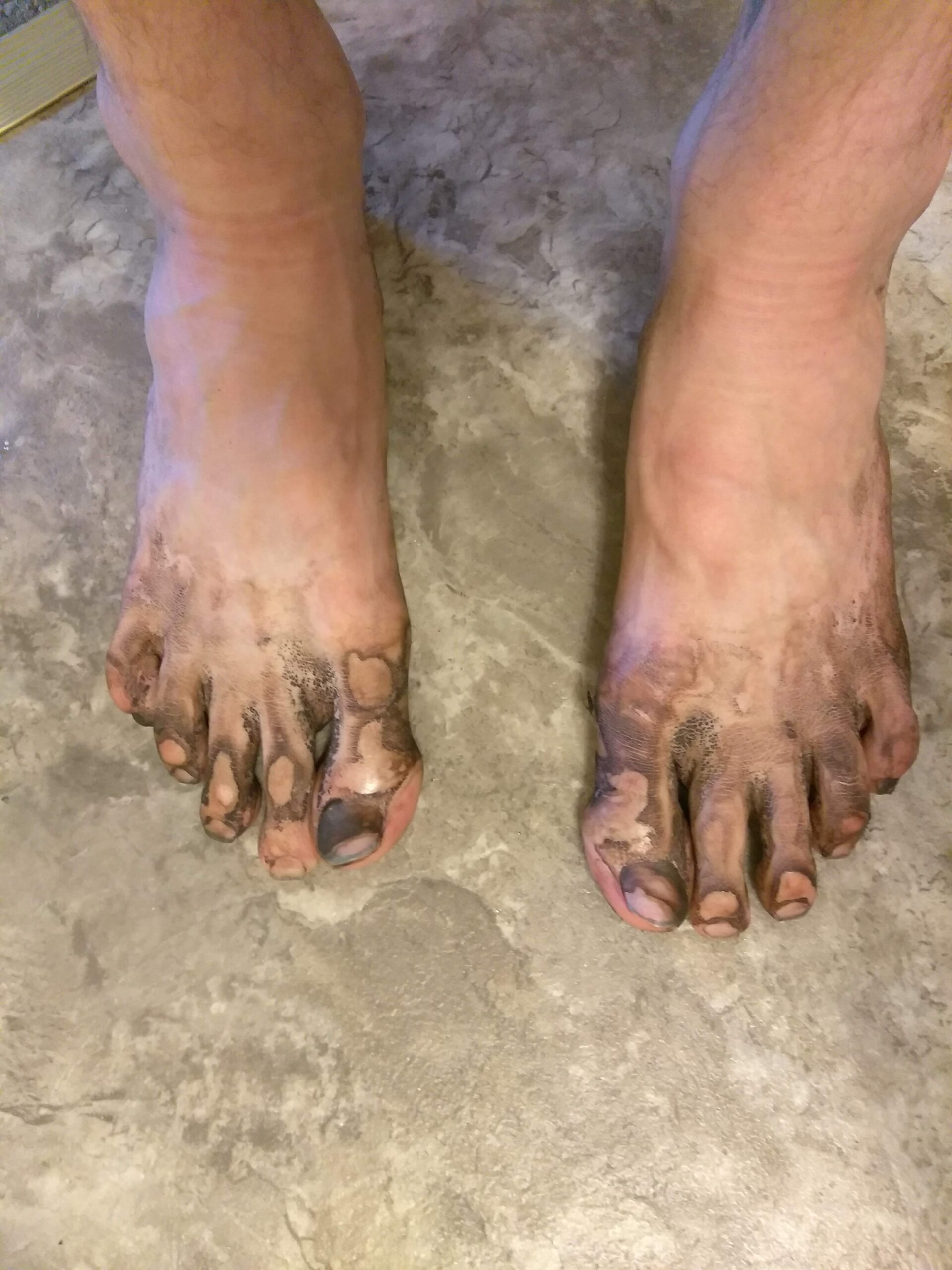
1. Blisters
What causes them: Friction, heat, and moisture from long miles in boots or trail runners. Ill fitting shoes are one of the biggest culprits of a bad time on trail.
Treatment:
- Clean it first. Wash the area with water or a disinfectant wipe.
- Don’t pop unless necessary. If the blister is small and intact, cover it with moleskin or a blister patch to reduce friction.
- If you must drain it: Sterilize a needle, puncture the edge (not the center), let the fluid drain, and cover with a clean dressing.
- Prevention: Change socks often, keep feet dry, and tape known hot spots before they flare up. Don’t try to “push” it.
Few things can derail your hike faster than a blister. What starts as a mild irritation can quickly turn into a painful, raw wound that makes every step miserable. Blisters are caused by a combination of friction, heat, and moisture, three things that are practically guaranteed on a thru-hike. Long days on your feet, damp socks, and tiny bits of grit inside your shoes all contribute to the problem. For pre-trail prevention make sure your shoes or boots are properly broken in, fit correctly, and you might even consider trail gaiters to prevent stuff from getting in your shoes.
The first rule of blister care is cleanliness. If you feel a hot spot forming, stop immediately and wash the area with water or a disinfectant wipe. Catching it early can often prevent a full blister from forming. If one has already developed, resist the urge to pop it unless it’s too painful to walk on. A small, intact blister acts as its own sterile bandage. Simply cover it with moleskin, a blister patch, or a bit of tape to reduce further friction.
If you do need to drain it, sterilize a needle or safety pin with a lighter or alcohol wipe, puncture near the edge (not the center), and gently press out the fluid. Once drained, clean the area again and apply antibiotic ointment before covering with a clean dressing.
Prevention is everything. Keep your feet dry, change socks frequently, and tape known trouble spots before they flare up. A little care and attention each day can mean the difference between a smooth, steady hike and limping painfully into camp before sunset.
2. Sprains & Strains
What causes them: Rolling an ankle on uneven terrain or overexerting tired muscles late in the day.
Treatment:
- R.I.C.E. — Rest, Ice (or a cold stream soak), Compression (with an elastic wrap or spare bandana), and Elevation when possible.
- Support it. Use trekking poles for stability, and if necessary, take a zero day to recover.
- Pain management: Ibuprofen helps reduce swelling and discomfort.
Tip: Most mild ankle sprains heal with a few days of rest. If you can’t bear weight after 24 hours, it’s time to consider heading off-trail for medical care.
Sprains and strains are among the most common trail injuries, especially on long-distance hikes where fatigue and uneven terrain become part of the daily routine. A sprain occurs when a ligament, tissue that connects bone to bone, is stretched or torn, most often from rolling an ankle on a rock or root. A strain, on the other hand, involves muscles or tendons and is typically the result of overexertion or pushing too many miles when your body’s already worn down.
When a sprain or strain happens, the key is to respond quickly using the R.I.C.E. method: Rest, Ice, Compression, and Elevation. Rest the injured area immediately to prevent further damage. Ice can be as simple as soaking the injury in a cold stream for ten to fifteen minutes. Compression helps reduce swelling; if you don’t have an elastic wrap, a clean bandana or buff can work in a pinch. Whenever possible, elevate the limb above your heart to control inflammation.
Use trekking poles for stability while moving around camp or covering shorter miles during recovery. Anti-inflammatories like ibuprofen can also ease pain and reduce swelling. Most mild ankle sprains heal within a few days, especially with proper care and reduced mileage. It’s important to note here that you should still listen to your body and not just rely on anti-inflammatories to get you through the day.
If you’re unable to bear weight after 24 hours, the injury may be more severe than it appears, and continuing could cause long-term damage.
3. Chafing
What causes it: Sweat, salt, and friction in high-contact areas—inner thighs, underarms, and pack straps.
Treatment:
- Clean and dry the area. Then apply an anti-chafe balm, petroleum jelly, or even a bit of unscented lotion if that’s all you have.
- Adjust your gear. Make sure your pack straps aren’t rubbing and your clothing fits snug but not tight.
- Prevent it: Reapply balm daily and wear moisture-wicking fabrics that reduce friction.
Every thru-hiker eventually learns that chafing can hurt just as much as a blister or a twisted ankle. It’s a deceptively small issue that can bring real misery to long days on trail. Chafing happens when sweat, salt, and repetitive movement combine to create friction—usually between skin and fabric or skin against skin. Common hotspots include the inner thighs, underarms, lower back, and anywhere your pack straps make consistent contact.
The first step in treatment is to clean and dry the area as soon as you notice irritation. Dirt, sweat, and salt crystals only make it worse. Once the skin is clean, apply an anti-chafe balm, petroleum jelly, or even a bit of unscented lotion if that’s all you have on hand. The goal is to create a smooth barrier between your skin and the source of friction. If the area is already raw, give it time to breathe before covering it with clothing again.
Prevention is key. Apply balm before hiking each morning, especially in humid or rainy conditions. Choose moisture-wicking, quick-dry clothing that fits snugly without being restrictive. Adjust your pack straps to minimize rubbing, and take breaks to air out your skin whenever you can.
Some hikers swear by a midday rinse or a quick baby-wipe clean to keep salt buildup down. The best strategy is to stay ahead of it: once chafing starts, every mile feels longer. A few minutes of daily care can keep your hike smooth, comfortable, and blister-free. If things are dire, we recommend the Manpon – a neatly folded section of toilet paper shoved right up your crack. This not only help to absorb moisture, it stops your cheeks from rubbing against each other.
4. Tendonitis (Knees, Ankles, or Hips)
What causes it: Repetitive strain and overuse, especially on steep descents or long days early in your hike.
Treatment:
- Ease up. Reduce mileage or take a rest day before it worsens.
- Cool it down. Cold soaks in streams help with inflammation.
- Anti-inflammatories: Ibuprofen or naproxen can help reduce pain and swelling.
- Stretch daily. Focus on calves, quads, and hip flexors to improve mobility and reduce pressure on tendons.
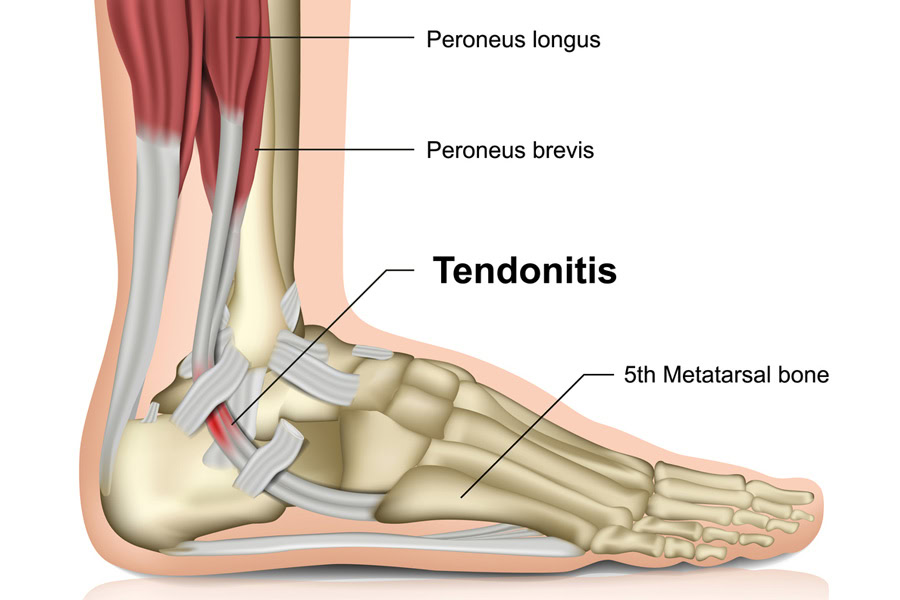
Tendonitis, along with IT Band syndrome, is one of those overuse injuries that sneaks up on hikers, slowly at first, then all at once. It’s the inflammation of a tendon, the tough cord that connects muscle to bone. On trail, it most often shows up in the knees (patellar tendonitis), ankles (Achilles tendonitis), or hips from the repetitive stress of long miles, steep descents, and heavy packs. It might surprise you that it also shows up in elbows occasionally from strain using trekking poles at the wrong height. What starts as a dull ache can turn into a stabbing pain that makes every step a reminder you might’ve pushed a little too hard.
The first step in treating tendonitis is rest. That doesn’t always mean quitting your hike, it can simply mean taking a zero or reducing your mileage until the pain subsides. Applying cold water compresses or soaking the affected area in a cold stream can help reduce inflammation and numb the pain naturally.
Anti-inflammatories like ibuprofen or naproxen are also useful in moderation. They can help manage swelling and discomfort, especially at night when the pain tends to flare up.
Stretching and gentle mobility work are essential. Focus on calves, quads, and hip flexors, tight muscles in these areas often contribute to tendon strain. Some hikers also find relief by adjusting pack weight or trekking pole height to take pressure off joints. Read our lowering base weight article for more info.
Ultimately, prevention comes down to pacing and preparation. Build strength before your hike, listen to early warning signs, and don’t let ego write checks your body can’t cash. A day of rest now can save you weeks of forced recovery later.
5. Cuts & Scrapes
What causes them: Bushwhacking, falls, or catching yourself on rocks or gear.
Treatment:
- Clean thoroughly. Use clean water or an alcohol wipe to remove dirt.
- Apply antiseptic. A dab of antibiotic ointment helps prevent infection.
- Cover it. Use a bandage or gauze and tape. Change daily or when wet.
Watch for: Redness, swelling, or pus – all signs of infection that may require medical care if they worsen.
Small injuries like cuts and scrapes often happen while bushwhacking through overgrown sections, catching yourself during a fall, or brushing against sharp gear edges. These wounds might seem harmless at first, but trail conditions, heat, dirt, and constant movement, create the perfect storm for infection.
Treatment:
The first and most important step is cleaning. Rinse the wound thoroughly with clean water to remove grit and debris. If water is limited, use an alcohol or antiseptic wipe. Don’t skip this step; it’s far more important than any ointment.
Next, apply a thin layer of antibiotic ointment such as Neosporin to keep the wound moist and discourage bacterial growth. Then cover the area with a sterile bandage, gauze, or even a strip of Leukotape in a pinch. Change the dressing daily or anytime it becomes wet or dirty.
Monitor closely for signs of infection, redness spreading beyond the wound, swelling, or pus. If these symptoms worsen or you develop a fever, it’s worth hiking out for medical care.
If you get a cut on trail that likely needs stitches, your main goal is to control bleeding, prevent infection, and protect the wound until you reach medical care. Apply firm, direct pressure with a clean cloth, bandana, or gauze for at least 10 minutes. If blood soaks through, layer more material on top instead of removing the first dressing. Once bleeding slows, gently clean the skin around the wound with clean water or an alcohol wipe, but avoid flushing the wound too aggressively so you don’t disturb clotting.
If the wound edges gape, you can loosely pull them together using steri-strips or butterfly closures. If you don’t have steri-strips you’ve likely got duct tape which will suffice in a pinch. If the wound edges are clean and you’ve controlled the bleeding, you can cut small, thin strips of duct tape and use them like improvised butterfly closures. Place the strips perpendicular to the cut, gently pulling the skin edges together without squeezing too tightly (you don’t want to trap debris or cut off circulation). Avoid placing duct tape directly inside the wound—only on clean, dry skin around it. cover with sterile gauze or a clean bandage to keep out dirt and sweat.
Finally get to a hospital as soon as possible, ideally within 6 to 12 hours as that’s the window in which stitches are most effective.
6. Dehydration & Heat Exhaustion
What causes it: Not drinking enough or failing to replace electrolytes during long, hot days.
Treatment:
- Rehydrate slowly. Take small sips of water or electrolyte drink frequently.
- Cool down. Rest in the shade, soak a bandana, and lower your body temperature gradually.
- Prevention: Start the day hydrated, carry electrolytes, and listen to your body, if you stop sweating or feel dizzy, you’re already behind.
Few things can derail a hike faster than dehydration or heat exhaustion. Long, exposed stretches of trail under the midday sun can drain your body of fluids and electrolytes faster than you realize. What starts as mild thirst or fatigue can quickly spiral into dizziness, headache, nausea, and disorientation, signs your body’s internal cooling system is failing. When you stop sweating or your urine turns dark yellow, it’s a red flag that you’re already behind on hydration.
The key to recovery is slow, steady rehydration. Gulping water too quickly can upset your stomach, so take small, frequent sips instead. If possible, use an electrolyte mix or tablets, plain water alone won’t replace the sodium, potassium, and other minerals lost through sweat. As you rehydrate, find a shady spot to rest and cool down. Dampen a bandana or shirt with water and drape it around your neck, wrists, or head to help bring your temperature down gradually.
To prevent dehydration and heat exhaustion, start each morning fully hydrated. Don’t rely solely on thirst as a guide, sip consistently throughout the day, especially during climbs or in dry, high-altitude sections. We like nuun tablets the best, you can break them up and doing half midday and the other half at night is great.
Another obvious tip is making sure you have enough water in between sources. A practical calculation is about half a liter to a full liter of water per hour depending on conditions.
Perhaps most importantly, listen to your body. Pushing through the warning signs might seem tough in the moment, but the best hikers know when to pause, cool off, and recover. On a thru-hike, hydration isn’t optional, it’s survival.
7. Hypothermia
What causes it: Cold rain, wind, or dropping temperatures paired with exhaustion or wet clothes.
Treatment:
- Get dry, fast. Change into dry layers and get out of the wind.
- Warm up gradually. Crawl into your sleeping bag, use a quilt, or share body heat.
- Fuel up. Eat high-calorie foods, your body needs energy to generate warmth.
Prevention: Always pack a dry base layer and know when to call it early before weather worsens.
Hypothermia is one of the most dangerous, and misunderstood, threats on trail. It doesn’t just happen in snow or subzero temperatures. Prolonged exposure to cold rain, wind, or even a chilly night after a long, exhausting day can drop your core body temperature below safe levels. Once that happens, simple tasks like setting up your tent or cooking a meal can become disorienting and difficult. Early signs include uncontrollable shivering, slurred speech, confusion, and clumsiness, all warnings that your body is running out of heat faster than it can produce it.
The first step in treatment is to get dry and get warm. Wet clothing rapidly steals body heat, so change into dry base layers immediately and find shelter from wind or rain. Crawl into your sleeping bag or wrap yourself in your quilt to trap warmth. If you’re hiking with a partner, shared body heat can help raise core temperature safely.
Fuel is just as important as insulation, your body needs calories to generate heat. Eat something high in fat or sugar, like peanut butter or chocolate, and sip warm fluids if you can. Avoid alcohol and caffeine, which can worsen dehydration and impair heat regulation.
Prevention starts with awareness. Always keep a dry emergency layer sealed in your pack, and don’t underestimate how fast conditions can change at elevation. When in doubt, stop early, set up camp, and get warm before it’s too late. The goal isn’t just to hike far, it’s to hike smart and come home safe.
Final Thoughts
Trail injuries are part of the experience, but most can be managed with preparation and awareness. A small, well-stocked first aid kit and the knowledge of how to use it can turn a potential trip-ender into just another story for campfire conversations.
Take a look at our packing series to get an idea of what goes into it.
Every hiker should take a wilderness first aid course if possible, it’s one of the best investments you can make before a long trail.
Stay safe, hike smart, and remember: sometimes the most heroic thing you can do on trail is to rest, recover, and live to hike another day.
Be sure you’re physically and mentally prepared for any thru-hike before setting out.
We lost a hiker recently due to the altitude. He was found just below Forrester Pass, in his tent at over 13,100’
He came from sea level just 2 days before. Some talk about high altitude would help.
Hey Don, thanks for taking the time to leave this comment and we didn’t mean to miss elevation as a topic. Next week’s blog I’ll do a dedicated post to elevation. Thanks again! – Garrett