 PROUDLY DESIGNED, CUT & SEWN IN UTAH.

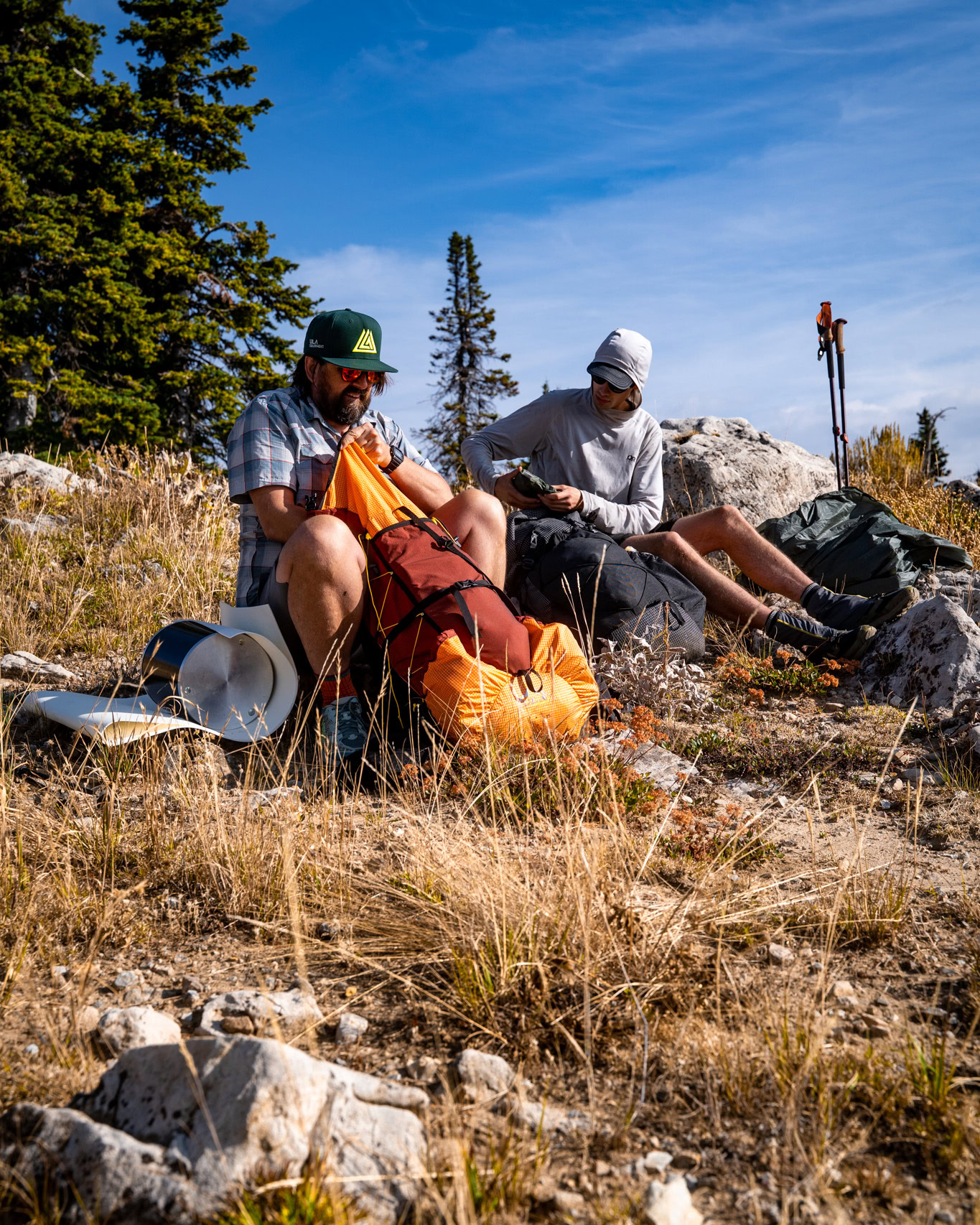
10 Pieces of Gear Thru-Hikers Regret Bringing (and Lighter Alternatives That Actually Work)
Some gear earns its place. Some gear becomes dead weight.
And the only way you learn which is which is by hiking and making your kit more efficient.
Based on thousands of miles on trail, years of talking with ULA customers, and the collective wisdom of hikers who’ve done this more than once, we’ve pulled together a list of the 10 most-regretted pieces of gear that people wish they’d left behind. More importantly, we’ll show you what successful thru-hikers bring instead like lighter, simpler, smarter alternatives that make the journey easier.
Let’s get into it.
1. Heavy Camp Shoes
Why They’re Regretted:
Many hikers start their thru-hike carrying “traditional” camp shoes like Crocs or bulky sandals, thinking they’ll be essential for comfort at the end of the day. The problem? They’re heavy, often 10–14 ounces, and take up valuable pack space. Over hundreds of miles, that weight becomes noticeable, and many hikers discover that they barely use them.
Bring Instead:
Thru-hikers have a few smart alternatives:
-
Ultralight camp shoes: Options like minimalist sandals or foldable slip-ons weigh just a few ounces and take almost no space.
-
Forgoing them entirely: Many hikers realize they can get away with just loosening up your trail runners at the end of the day and using them around camp, saving weight without sacrificing comfort.
The key is to reduce unnecessary bulk while still keeping your feet comfortable after a long day on trail.
2. Oversized First Aid Kits
Why They’re Regretted:
Pre-packaged first aid kits are filled with items you’ll likely never use: splints, giant bandages, multiple rolls of tape, burn cream packets, and more. These kits are built for car camping or group emergencies, not necessarily a solo thru-hike.
They take up space, weigh too much, and give a false sense of preparedness.
Bring Instead:
- A few ibuprofen
- A bit of Leukotape wrapped around a trekking pole
- 2–3 bandaids
- A couple alcohol wipes
- Antibiotic ointment
- A small strip of moleskin
- Anti-diarrhea
- Any personal medication you need
You want the essentials for blister care, cleaning cuts, and handling minor aches. Anything serious requires exiting the trail, and no amount of first-aid-kit bulk is going to stop that. Please note, this is a subjective opinion and if there’s one place it’s ok to carry your fears, it’s first aid and safety. We encourage carrying an SOS device on all trips.
3. Heavy Multi-Tools
Why They’re Regretted:
Unless you’re a backcountry mechanic doing stove surgery, most multi-tools go untouched. They’re heavy, bulky, and offer far more than hikers ever need. You’ll feel the weight every single mile.
Bring Instead:
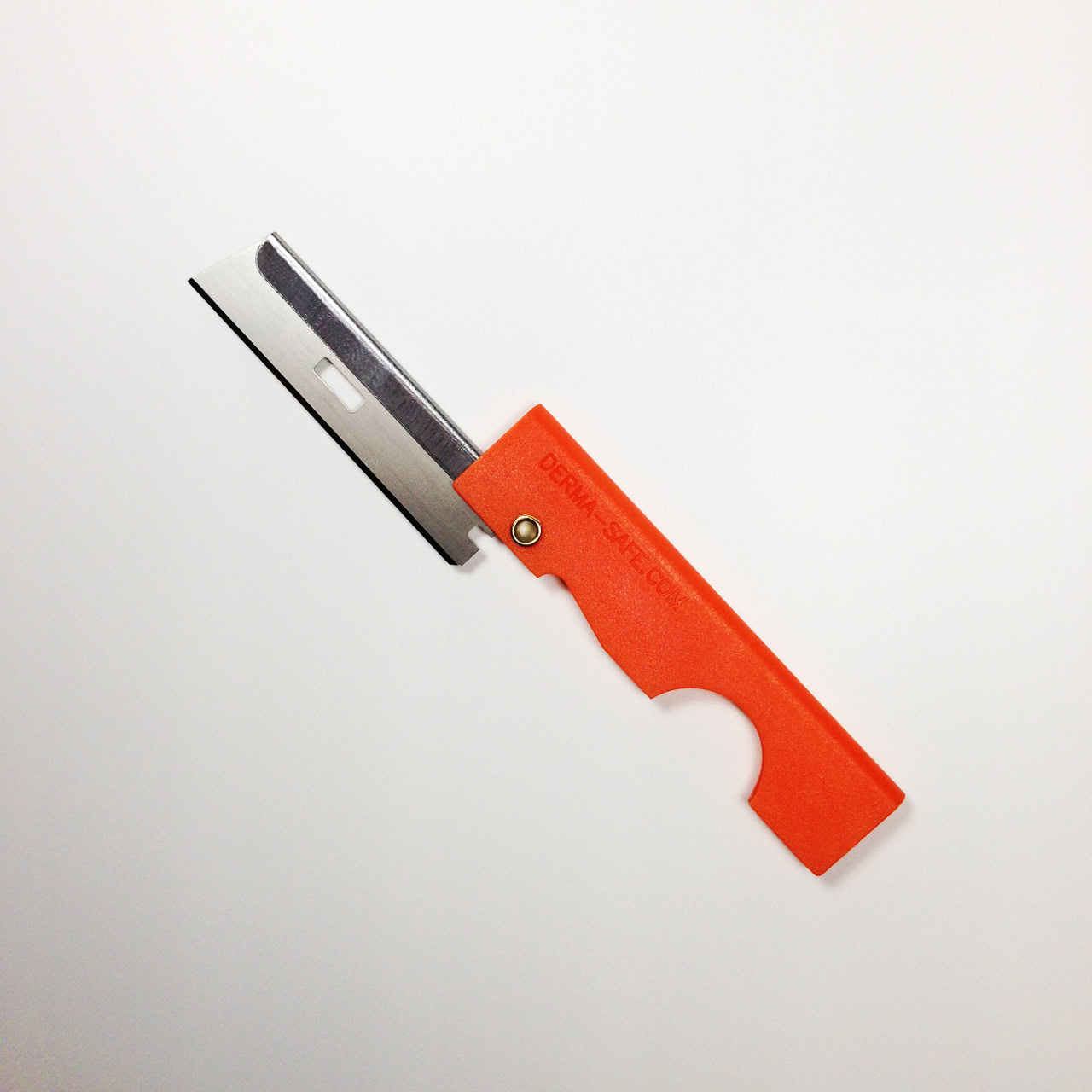
Most thru-hikers swear by the 0.7 oz Swiss Army Classic. You get a small blade, scissors, tweezers, and a file. Everything you’ll actually use. It’s simple, functional, and a massive upgrade in weight savings. You could also just use a simple folding blade or even a Derma-safe folding straight razor. Only 7.6 grams.


4. Extra Clothing “Just in Case”
Why They’re Regretted:
Packing extra shirts, pants, or backup base layers is one of the most common mistakes new hikers make. Clothing is one of the heaviest categories in your base weight, and it adds up fast. Once you’re on trail, you quickly realize you’re either: hiking, sleeping, or drying out gear.
Extra clothing rarely sees the light of day and ends up stuffed at the bottom of your pack.
Instead of bringing one of everything, bring a couple extra socks, maybe an extra underwear, and maybe an extra shirt to sleep in if you’re not about the grime life. Think in terms of a layering system that builds on itself.
It’s simple, effective, and gets you through all three major U.S. trails. Anything more becomes unnecessary weight and mental clutter.
5. Camp Chairs
Why They’re Regretted:
Folding camp chairs and bulky seat pads feel like a luxury at first. Who doesn’t want a soft place to sit after 20+ miles? But in reality, these items are heavy, take up a lot of pack space, and aren’t used as much as you think. Most hikers end up sitting on the ground or logs anyway.
Bring Instead:
A lightweight, packable sitting pad like our 1/8th” Siesta Pad or even your rain jacket. There were plenty of snack breaks where we whipped out the Frog Togg throne. You get the comfort of a soft spot to sit without the extra bulk or weight. On longer trails, every ounce saved counts and spending a pound or more on a chair doesn’t seem worth it to us.
6. Massive Power Banks
Why They’re Regretted:
20k–30k mAh power banks sound responsible and safe, especially when you’re planning long stretches between towns. But in reality, most hikers resupply every 3–6 days, and a phone in airplane mode barely burns through battery life.
Heavy power banks—some weighing nearly a pound—quickly become dead weight.
Bring Instead:
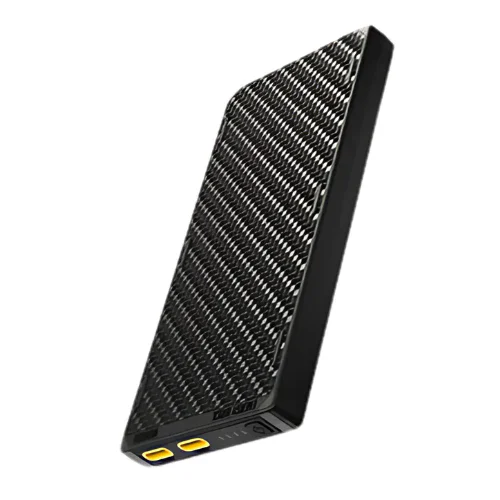
A 10,000 mAh power bank strikes the perfect balance. It gives you multiple full phone charges, works for headlamps and GPS watches, and recharges quickly in town. A pro-tip is pairing it with a multi-usb port outlet to charge your powerbank and phone while in town.

7. Bulky Rain Gear (Especially on Warm Trails)
Why They’re Regretted:
Waterproof-breathable jackets look great on paper, but on trail, especially on the AT or in the PCT desert, they turn into mobile saunas. You end up wetter from sweat than from rain.
Bring Instead:
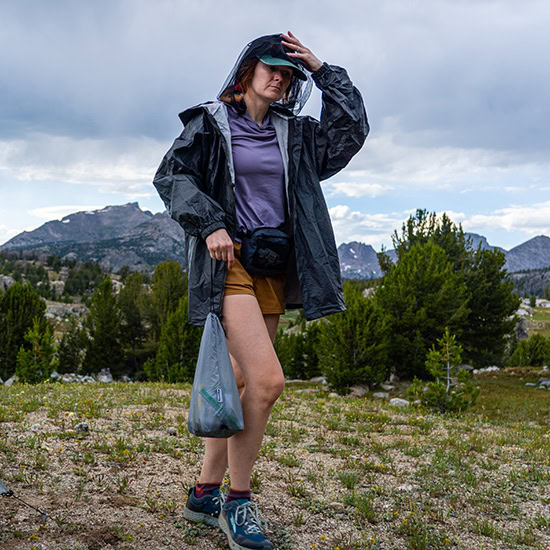
- Lightweight rain shell for general weather – we like Frogg Toggs
- Wind shirt for fast-moving storms
- Umbrella for long desert stretches
- Packable Rain Kilt for better ventilation
This is where dialing in your kit based on the trail really matters.
8. Heavy or Non-Essential Luxury Items (Like Books)
Why They’re Regretted:
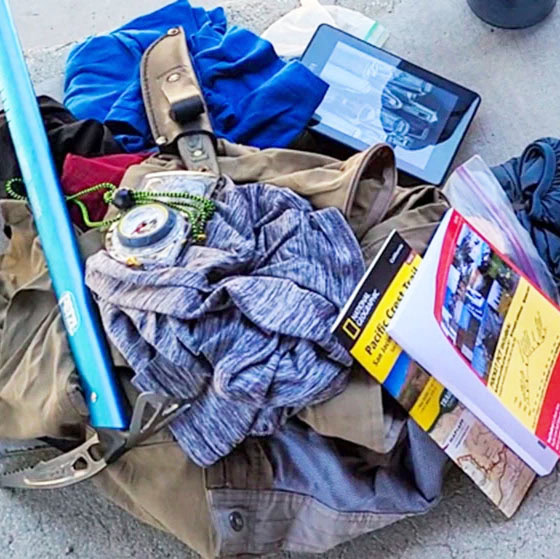
Books, journals, and other comfort items feel like a mental lifeline on trail. But carrying a hardcover or paperbacks not only adds more weight, but takes away from the main thing: Hiking! Yeah, picking up a copy of Walden in a bookstore in New York was cool for a zero day, we eventually sent it home. Even digital readers with chargers add extra weight, battery management, and worry about water damage.
Bring Instead:
If you crave mental stimulation or journaling, opt for:
Using your phone for journaling or reading instead of a physical medium.
One small paperback or magazine if you really need it
The key is minimalism: bring just enough to enjoy, without turning your pack into a library.
9. Heavy Water Filters or Redundant Water Treatment
Why They’re Regretted:
Water is already the heaviest thing in your pack. A bulky filtration setup adds even more weight and hassle.
Many new hikers carry:
- A pump filter (which can weigh 10–14 oz),
- Backup purification tablets
- A gravity filter
- Extra bottles “just in case”
Pump filters also clog quickly in silty conditions, require effort to use, and take up a lot of space inside a pack.
Bring Instead:
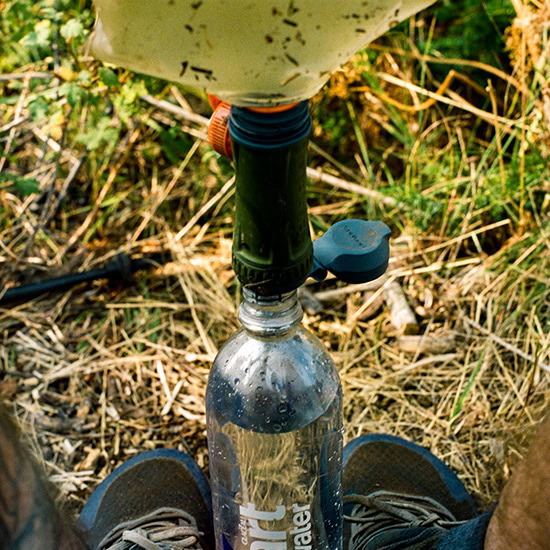
A simple, lightweight squeeze filter like the Sawyer Squeeze or the Katadyn BeFree paired with one dirty 1 liter bottle, 1 clean 1 liter bottle, and whatever extra water storage you’ll need for your respective hike. It’s the thru-hiker standard for a reason:
- Fast
- Reliable
- Compact
- Easy to backflush
- Much lighter than pumps or gravity systems
Bonus points if you’re using the reusable CNOC Thru-bottle to support the environment.
10. Heavy, Overbuilt Backpacks
Why They’re Regretted:
A 4–5 lb backpack is fine for weekend backpacking or heavy loads. But on a long trail, those extra pounds are punishing. Many hikers start with big box store packs or heavy internal-frame setups, only to switch halfway through their hike after weeks of shoulder and hip fatigue.
A heavy pack sabotages the whole ultralight system.
Bring Instead:
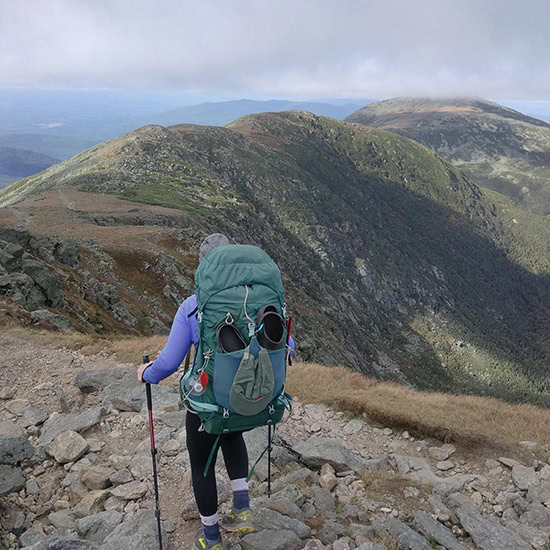
A lightweight, durable, purpose-built thru-hiking pack, something designed for real mileage. Packs like the:
- ULA Circuit (the most popular thru-hiking pack on the market)
- ULA Nexus for an ultralight frameless kit
- ULA Catalyst (for colder weather or larger loads)
You want a backpack that balances comfort, capacity, and durability without unnecessary weight.
Final Thoughts
The longer the trail, the clearer the truth: comfort comes from simplicity, not more gear. Every item you carry should earn its place and there’s plenty you can do before your hike to ensure your kit is dialed in.
The beauty of thru-hiking is that it teaches you what you actually need, not what you think you need. And stripping away the excess opens the door to a more enjoyable, sustainable, and freeing trail experience.
If you’re gearing up for your first thru-hike and have more questions, we’re always here to help. Simply reply to this blog post with your questions below.
I agree with most of your commentary, but take issue with the chair. I started my backpacking career (section hiker / week to 10 day trips) sitting on the ground, logs, rocks, etc. When I hit about 50 years old, I was introduced to the 1# chair, scoffed at it, then sat in it and haven’t looked back. We’re not hiking from dawn to dusk. For those times in camp (meals, drawing, reading, chatting), the support of the chair with backrest allows my body to actually rest and recover. It’s well worth the pound of weight. I drop weight in other areas to add the chair and am happy with my 14.5# base weight.
Hey Sandra, thanks for taking the time to leave us some feedback. It’s definitely trip dependent on whether or not we take the chair! I usually opt for just a lightweight foam sit pad, but Peter has been known to take the chair out for longer section hikes. – Garrett
It seems foolish to me to not have a backup way to make water safe. Your filter could get dropped, or freeze. A small plastic bottle with bleach or water purification tablets weigh just a few grams and could mean the difference between continuing on an emergency, especially for cold soakers that can’t boil water. I would also expect that most thru-hikers wouldn’t carry the extra fuel or have the time to boil everything and let it cool since we know they aren’t carrying a Nalgene that can take boiling water.
Hey Kevin, great input. Secondary purification systems are a lightweight way to back up your water filtration should your filter fail. – Garrett